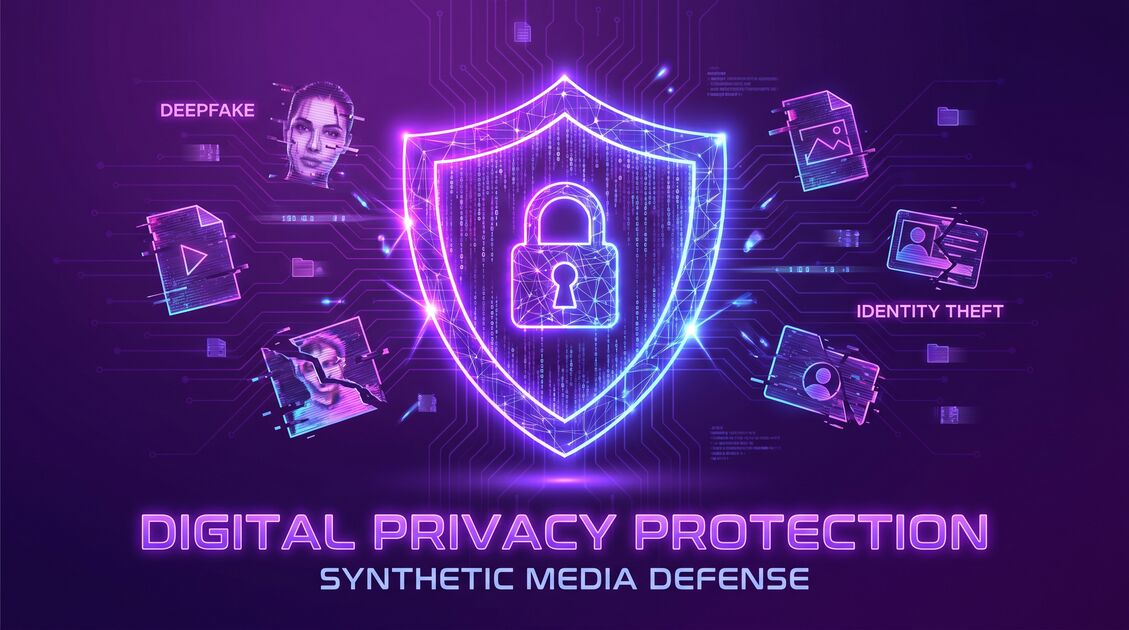
Deepfakes—synthetic media created using advanced artificial intelligence—represent one of the most sophisticated identity theft threats of 2026. From manipulated videos impersonating you to cloned voices authorizing fraudulent transactions, deepfakes blur the line between reality and deception. While AI technology itself isn't inherently harmful, bad actors are weaponizing it to steal identities, commit fraud, and spread misinformation. Protecting yourself requires a multi-layered defense strategy, with VPN as a crucial first line of protection.
The Deepfake Threat Landscape in 2026
The deepfake technology available to malicious actors has evolved dramatically. In 2026, creating convincing deepfakes no longer requires expensive equipment or deep technical expertise. Free and affordable AI tools can now generate:
- Facial synthesis: Videos of you saying or doing things you never did
- Voice cloning: Audio recordings that perfectly mimic your voice for phone fraud or unauthorized transactions
- Body synthesis: Manipulated images showing you in compromising situations
- Identity fraud: Fake government IDs, passport photos, and credential documents
According to cybersecurity research, deepfake-related fraud attempts have increased exponentially, with criminals targeting individuals, organizations, and government institutions. The financial impact is staggering—fraudsters have successfully stolen millions using voice-cloned deepfakes to impersonate executives and authorize wire transfers.
Critical Threat
Deepfake technology is evolving faster than detection methods. A deepfake created today may be undetectable tomorrow. Proactive protection is more important than ever.
How Deepfakes Exploit Your Identity & Privacy
Creating a deepfake targeting you requires access to personal data: your photos, videos, voice recordings, and behavioral patterns. Here's how criminals gather this material:
Data Collection Tactics
- Social media mining: Public photos, videos, and voice clips from your profiles
- Data breaches: Stolen biometric data, ID scans, and personal documents
- IP address tracking: Identifying your location and devices to enable targeted attacks
- Surveillance: Hidden cameras, phone recordings, or intercepted communications
- Public records: Government databases, voter registration, and professional profiles
Once criminals have this material, they can create deepfakes to:
- Authorize financial transactions on your accounts
- Damage your reputation through compromising videos
- Commit identity fraud using cloned biometrics
- Conduct social engineering attacks against your contacts
- Infiltrate organizations by impersonating executives
Did You Know?
Your IP address reveals more than you think. It can expose your location, ISP, device type, and browsing patterns—all useful information for crafting targeted deepfake attacks. Hiding your IP address with VPN makes you a harder target.
VPN's Role in Deepfake Defense
While VPN alone cannot prevent deepfakes, it plays a critical role in a comprehensive protection strategy. Here's how:
IP Address Masking
Your IP address is valuable intelligence for attackers. It reveals your physical location, ISP, and device information. A VPN masks your real IP address, hiding your location and making it harder for criminals to target you with location-specific attacks. This is particularly important if you're traveling or accessing accounts from public networks.
Preventing Biometric Data Collection
Attackers often use malware and man-in-the-middle attacks to intercept your communications and capture biometric data. A VPN encrypts all traffic between your device and the internet, preventing interception of:
- Video calls and webcam feeds
- Voice recordings and VoIP communications
- Facial recognition data
- Login credentials and authentication details
Reducing Digital Footprint
When you use Free VPN, your browsing activity cannot be linked to your real IP address. This reduces the amount of personal data visible to trackers, data brokers, and malicious actors who compile profiles for deepfake creation.
Pro Tip
Use Free VPN consistently—not just occasionally. Regular VPN usage prevents attackers from building a behavioral profile of you, making social engineering and targeted attacks significantly harder.
Beyond VPN: Additional Protection Strategies
Comprehensive deepfake defense requires multiple layers of protection. Here's what you should implement:
Biometric Security
- Enable facial recognition: Use face unlock and facial authentication features on your accounts
- Liveness detection: Require proof of life during high-risk transactions
- Multimodal authentication: Combine facial recognition, voice verification, and behavioral biometrics
Strong Authentication
- Two-factor authentication (2FA): Require a second verification step beyond passwords
- Hardware security keys: Use physical devices immune to phishing and deepfake attacks
- Unique passwords: Never reuse passwords across accounts
Credit Monitoring & Identity Protection
- Freeze your credit: Prevent unauthorized accounts in your name
- Monitor credit reports: Check for fraudulent activity monthly
- Identity theft insurance: Protect yourself against financial losses
Digital Hygiene
- Privacy settings: Restrict who can see your photos and personal information
- Device security: Keep software and apps updated to patch vulnerabilities
- Email security: Use strong passwords and enable 2FA on email accounts
- Webcam protection: Cover your camera and disable it when not in use
How to Recognize and Report Deepfakes
While deepfakes are becoming increasingly realistic, trained eyes can still spot telltale signs:
Visual Red Flags
- Unnatural eye movement or blinking patterns
- Inconsistent lighting or shadows on the face
- Distorted mouth movements or lip-sync issues
- Hair or background glitches at face boundaries
- Unusual skin texture or color inconsistencies
Audio Red Flags
- Unnatural speech patterns or cadence
- Background noise that doesn't match the environment
- Emotional tone mismatched to the context
- Robotic or overly perfect pronunciation
Reporting Deepfakes
If you encounter a deepfake, report it immediately:
- Social media platforms: Use built-in reporting tools on Facebook, Twitter, TikTok, Instagram, and YouTube
- Law enforcement: File a report with your country's cyber crime division or FBI/IC3
- NCMEC: Report child sexual abuse material (CSAM) to the National Center for Missing & Exploited Children
- Your bank: If fraud is suspected, notify your financial institutions immediately
Key Takeaways
- Deepfakes are synthetic media created using AI to impersonate real people, posing serious identity theft and fraud risks
- Your IP address and personal data can be harvested and used to create or spread deepfakes targeting you
- VPN protects your identity by masking your IP address and preventing surveillance of your online activities
- Biometric data protection, strong passwords, and 2FA are essential complements to VPN for deepfake defense
- Enable facial recognition security features, monitor your credit, and report suspicious deepfakes immediately
- Stay informed about deepfake detection tools and educate yourself on recognizing synthetic media tactics
Conclusion: Stay Protected in the Age of Deepfakes
Deepfakes represent a genuine threat to your identity and financial security in 2026. While the technology is powerful, a comprehensive defense strategy makes you significantly safer. Start by using Free VPN to mask your identity online and prevent data collection. Combine this with strong authentication, biometric security, credit monitoring, and digital hygiene practices.
Remember: deepfakes aren't something that happens to "other people." Anyone with a public social media presence is a potential target. By implementing these protections today, you're taking control of your digital identity and staying ahead of emerging threats.
Your privacy is your power. Protect it.