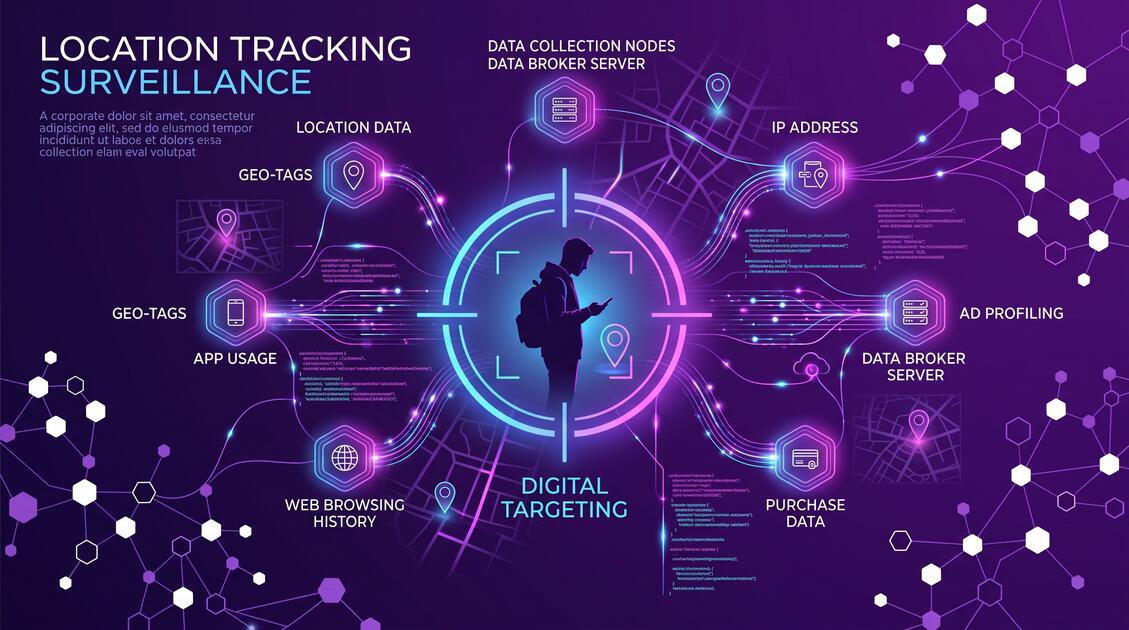
Every time you visit a store, click on a website, or use an app, corporate data brokers are watching and recording. These invisible companies collect billions of data points about you daily—your location history, purchase behavior, browsing habits, and personal preferences—then sell this intimate profile to the highest bidder. This is a reality millions of people don't realize exists. In 2026, data brokers have become one of the largest threats to personal privacy, yet most people have never heard of them. Understanding how data brokers operate and how to protect yourself is essential to reclaiming your privacy.
What Are Data Brokers?
Data brokers are companies that collect, aggregate, and sell personal information about individuals. Unlike social media companies or tech giants you interact with directly, data brokers operate in the shadows, buying data from hundreds of sources—retailers, apps, government records, online publishers, and more—then packaging it into detailed profiles and selling it to advertisers, marketers, insurance companies, and other corporations.
The data broker industry is worth billions of dollars annually. Companies like Experian, Equifax, Acxiom, Oracle Data Cloud, and hundreds of smaller brokers make their money by commodifying your personal information. The scary part? You likely have little to no awareness of it happening, and you certainly haven't consented to the transaction.
Did You Know?
Acxiom, one of the largest data brokers, has data files on over 700 million people worldwide. They likely have a detailed profile on you, your family members, and your neighbors.
What Data Do Brokers Collect?
Data brokers don't just collect one piece of information about you. They assemble comprehensive profiles that reveal your entire lifestyle, habits, and vulnerabilities. Here's what they're collecting:
Location Data
Your precise location history is one of the most valuable commodities data brokers collect. They track where you go throughout the day using:
- Mobile apps: Weather apps, fitness trackers, map applications, and social media apps transmit your location to data brokers
- GPS coordinates: Mobile devices continuously send location data to data brokers through apps and tracking pixels
- WiFi networks: Your device broadcasts location when connecting to WiFi hotspots
- Geofencing: Brokers know when you enter specific stores, restaurants, hospitals, and religious venues
Purchase History
Data brokers buy your transaction history from credit card companies, retail stores, and e-commerce platforms. They know:
- Every product you've purchased online and offline
- How much you spent and payment methods used
- Your shopping preferences and repeat purchases
- Which stores and brands you prefer
- Items you've looked at but never purchased (browsing history)
Browsing & Online Behavior
When you visit websites, data brokers track your activity through:
- Tracking pixels: Invisible code that follows you across websites
- Cookies: Files that store information about your browsing behavior
- Device IDs: Unique identifiers that connect all your devices
- Search history: What you search for on Google, Bing, and other search engines
Personal & Financial Information
Brokers also compile:
- Age, income level, net worth, and credit score
- Employment history and job title
- Educational background
- Family status, number of children, and household composition
- Real estate holdings and property values
- Vehicle ownership and purchasing history
Location Targeting & Real Estate Surveillance
One of the most concerning uses of data broker information is location-based targeting. By selling your location history, data brokers enable corporations to profile you in intimate ways:
Behavioral Profiling
Brokers use location data to infer sensitive information about you. If you frequent health clinics, they can infer health conditions. If you visit certain bars or religious venues, they profile you by lifestyle. These inferences are sold to create incredibly detailed behavioral profiles.
Price Discrimination
Retailers use data broker information to implement dynamic pricing. If they know you frequently visit luxury stores or have high income, they'll charge you more for the same product. Conversely, if your location history shows you're price-conscious, you'll see different (lower) prices.
Predatory Advertising
Insurance companies, loan providers, and financial services buy data broker profiles to target vulnerable populations. Someone struggling financially (inferred from location history and purchase patterns) might be targeted with predatory lending offers.
Warning: Data Broker Risks
Data brokers have exposed millions of people to identity theft, harassment, stalking, and discrimination. Your precise location history in the hands of the wrong person could enable physical stalking or home invasion.
How VPN Protects Against Data Brokers
While VPN alone can't stop all data collection, it's a critical layer of protection against data brokers and the corporations that buy their data. Here's how VPN helps:
Masks Your Real IP Address
Your IP address reveals your location to websites and apps. Data brokers track IP addresses to build location profiles. When you use Free VPN, your real IP is hidden, and brokers see only the VPN server's IP address, not your actual location.
Prevents ISP Tracking & Sale
Your Internet Service Provider (ISP) is one of the largest sources of data broker information. ISPs monitor all your internet activity and sell this data to brokers. When you use VPN, your ISP only sees encrypted traffic to the VPN server—they can't see what websites you visit or what you do online. This prevents them from selling your browsing history to data brokers.
Blocks App-Based Location Tracking
Many mobile apps collect location data through GPS and transmit it to data brokers. Free VPN's network-level protection prevents apps from directly connecting to tracking servers, adding another layer of protection.
Prevents DNS Leaks
Even with VPN, your DNS queries (which reveal which websites you visit) can leak to your ISP or data brokers. Free VPN includes DNS leak protection, ensuring your browsing activity isn't exposed.
Pro Tip
Combine Free VPN with browser privacy extensions and strict privacy settings on your mobile devices. The more layers of protection you add, the harder it becomes for data brokers to build an accurate profile of you.
Beyond VPN: Additional Protection Steps
VPN is essential, but it's just one part of comprehensive protection against data brokers. Here are additional steps to minimize data collection:
Request Data Removal from Brokers
The Fair Credit Reporting Act (FCRA) and newer privacy laws like CCPA and GDPR give you legal rights to request that data brokers delete your information. While time-consuming, you can contact brokers directly and demand removal:
- Visit data broker websites like Data.com, PeopleFinders, and BeenVerified
- Search for your name and request deletion
- Send formal removal requests and keep documentation
- Follow up to verify deletion (some brokers don't comply immediately)
Disable Location Services
Go through your apps and disable location permissions for apps that don't need your location. Review location settings on your phone and turn off location services when not needed.
Use Privacy-Focused Browsers
Firefox, Brave, and DuckDuckGo browser are more privacy-focused than Chrome. Combined with VPN, they prevent tracking pixel and cookie-based data collection.
Block Tracking Cookies
Install browser extensions like uBlock Origin or Privacy Badger to block tracking code and prevent data brokers from monitoring your browsing behavior.
Opt-Out of Data Collection
Use tools like OptOutPrescreen.com and National Do Not Call Registry to reduce data collection attempts. While not comprehensive, these reduce some tracking.
Key Takeaways
- Data brokers purchase billions of data points annually from retailers, apps, and online platforms
- Your location history, purchase behavior, and device data are constantly collected and sold to the highest bidder
- Corporate data profiles are used for invasive behavioral targeting, price discrimination, and surveillance
- VPN masks your real location and prevents ISPs, apps, and websites from selling your location data
- Combine VPN with privacy settings, ad blockers, and data removal tools for comprehensive protection
- Request data deletion from brokers using legal rights like CCPA, GDPR, and state privacy laws
Your Privacy Matters More Than Their Profit
Corporate data brokers have transformed personal information into a commodity, building detailed profiles of millions of people without consent. This invisible surveillance system affects pricing you pay, ads you see, opportunities you receive, and even your physical safety.
Free VPN is your first defense against data broker surveillance. By masking your location, encrypting your connection, and preventing your ISP from selling your data, VPN stops brokers from building increasingly accurate profiles of you.
But VPN is just one tool. Combine it with privacy settings, browser extensions, location service controls, and formal data removal requests. Take back control of your personal information. You have the right to privacy in 2026—now it's time to demand it.