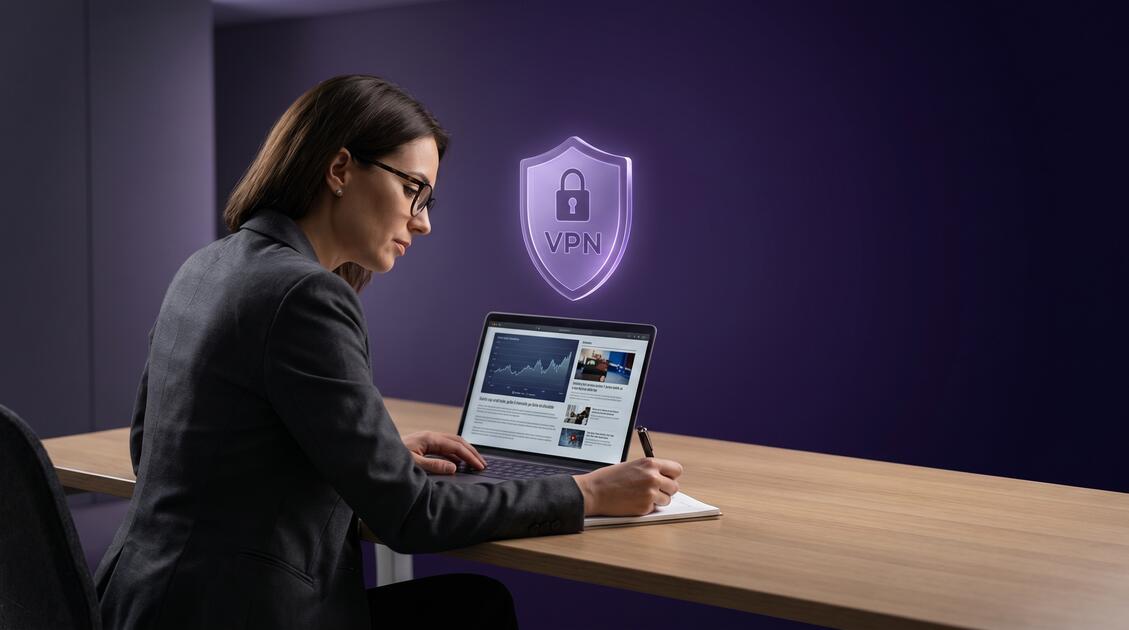
Journalists and media professionals operate at the frontlines of public accountability. Yet increasingly, the tools meant to inform democracy are being weaponized against those who wield them. From government surveillance to source tracking, doxxing campaigns to data breaches, journalists face a unique constellation of digital threats that endanger not just their safety, but their ability to investigate truth, protect sources, and serve the public. In an era where a single compromised IP address, intercepted email, or breached database can endanger a whistleblower or expose a news organization's sources, digital security is no longer optional—it's essential for journalism itself.
Why Journalists Face Unique Digital Threats
Journalists operate in a threat environment unlike most professions. You are simultaneously targets and tools—your work threatens powerful interests, while your devices and communications are valuable targets for those seeking to silence, track, or control you.
The Nature of Journalistic Risk
Unlike other professions where privacy breaches mean personal harm, compromised journalism can endanger:
- Confidential sources: Whistleblowers, activists, government insiders, and victims may face legal prosecution, violence, or retaliation if identified
- Investigation integrity: Premature revelation of ongoing investigations can destroy evidence, alert targets, and compromise months of reporting work
- Organizational security: Breached newsrooms expose not just your stories, but your editorial strategy, source networks, and institutional vulnerabilities
- Professional reputation: Being tracked, exposed, or smeared can destroy credibility—your most valuable professional asset
- Personal safety: In authoritarian environments and conflict zones, journalists face violence, imprisonment, and assassination
Critical Reality Check
According to the Committee to Protect Journalists (CPJ), 2024 saw record levels of journalist imprisonment worldwide, with governments and hostile actors increasingly using digital surveillance, device hacking, and data breaches as weapons against press freedom. Your digital security isn't paranoia—it's professional necessity.
Government Surveillance & Political Pressure
Governments—from authoritarian regimes to democracies—actively surveil journalists to monitor stories, intimidate reporting, and prevent investigations into corruption or human rights abuses.
How Governments Track Journalists
Government surveillance tactics include:
- ISP-level monitoring: Direct government access to internet service provider logs showing which websites you visit, when, and from where
- Cell tower tracking: Location surveillance via cell towers, supplemented by government requests to phone companies
- Email monitoring: Subpoenas to email providers for account access, metadata, and message content
- Device hacking: Government deployment of spyware (Pegasus, NSO Group tools) to monitor messages, calls, location, and media
- Metadata collection: Systematic collection of who you call, email, message, and when—revealing source networks without reading content
- Payment tracking: Following financial transactions to identify funding sources, travel, and business relationships
Even in democracies, journalists are routinely targeted. In the United States, the FBI has attempted to force journalists to reveal sources, while law enforcement uses NSLs (National Security Letters) to demand sensitive information without judicial oversight. Authoritarian governments simply imprison or eliminate inconvenient journalists.
Press Freedom Under Siege
Reporters Without Borders' 2026 World Press Freedom Index tracks declining press freedom globally, with governments increasingly using digital surveillance as a tool to suppress reporting. Journalists in Afghanistan, China, Russia, Turkey, and elsewhere face imprisonment, torture, and assassination for their work.
Protecting Confidential Sources & Investigation Integrity
The foundation of investigative journalism is confidential source protection. Without trustworthy channels for sources to communicate safely, whistleblowers, insiders, and victims won't provide the information necessary for accountability reporting.
The Source Protection Challenge
Sources face genuine dangers when identified:
- Legal consequences: Government prosecution for unauthorized disclosure, espionage charges, or witness tampering
- Job loss: Termination from employment when identity is revealed
- Violence: Retaliation from those exposed by investigations—executives, officials, organized crime figures
- Harassment: Doxxing, public humiliation, social media attacks, and targeted smear campaigns
- Family impact: Sources' families targeted, children endangered, relationships destroyed
Digital security protects sources in concrete ways: encrypted communications prevent eavesdropping, VPN masks your meeting locations and communication endpoints, and secure device practices prevent device compromise that would expose source interactions.
Harassment, Doxxing & Public Exposure Risks
Journalists increasingly face coordinated harassment campaigns designed to silence, intimidate, and destroy professional reputation. In the digital age, this often manifests as doxxing—the public exposure of personal information.
Doxxing Mechanics & Impacts
Doxxing campaigns against journalists typically include:
- Social media linking: Connecting professional Twitter accounts to personal Instagram, LinkedIn, or Facebook profiles
- Reverse lookups: Using IP addresses from your website or email to identify home location
- Data broker scraping: Purchasing personal information (address, phone, family relationships) from data brokers
- Payment processor exposure: Finding PayPal, Venmo, or other payment apps linked to your accounts
- Facial recognition: Using facial recognition to identify you in public photos, connecting online presence to physical location
- Family targeting: Publishing information about journalists' children, spouses, and parents
The impact is severe: journalists receive death threats, their children are harassed online and at school, and professional work becomes impossible as subjects withdraw cooperation or stories are compromised by public knowledge.
News Organization & Data Breach Vulnerabilities
News organizations are high-value targets for cybercriminals, foreign governments, and corporate actors seeking to suppress reporting or steal intellectual property.
Newsroom Security Threats
- Office WiFi interception: Unencrypted newsroom networks allow attackers to intercept communications, steal files, and install malware
- Cloud storage breaches: Shared drives and cloud storage (Google Drive, Dropbox, Microsoft 365) compromised through weak credentials or phishing
- Email compromise: Journalist email accounts phished or compromised, exposing entire source networks
- Vendor attacks: Third-party services (analytics, ad networks, email providers) compromised, affecting all journalists using them
- Targeted spyware: Sophisticated attacks installing device spyware that monitors all communications and activity
- Database theft: CMS databases, contact lists, and archives stolen containing years of source contacts and unpublished information
A single successful newsroom breach can expose entire source networks, intelligence gathering methods, and years of investigative work.
Reporting Safely in Hostile Environments
War zones, authoritarian countries, and conflict regions present physical and digital dangers. Journalists reporting on protests, corruption, human rights abuses, or military operations face surveillance, arrest, and violence.
Field Reporting Security
In hostile environments, journalists need:
- Local SIM cards with VPN: Using local phone service with VPN enabled to avoid being identified by government cell tower tracking
- Secure communication channels: Encrypted messaging (Signal, Wire) for communications with editors and sources, avoiding local telecommunications networks that may be monitored
- Offline backups: Storing sensitive files on encrypted external drives, not synced to cloud services that could be seized
- Device separation: Using dedicated devices for sensitive communications, not personal phones that link to your identity
- Location awareness: Understanding that your phone's location is continuously tracked, using offline GPS mapping instead of Google Maps
How VPN Protects Journalists
A VPN (Virtual Private Network) encrypts your internet connection and routes it through secure servers, protecting your communications and location. For journalists, VPN provides essential security layers.
VPN Security Benefits for Journalism
- IP masking: Your actual IP address is hidden, replaced with the VPN server's IP. This prevents location tracking via IP address and makes it harder to identify you through internet activity
- Traffic encryption: All data sent over the internet is encrypted, preventing eavesdropping by ISPs, governments, or network operators—critical when working in hostile environments or using untrusted WiFi
- Source communication protection: Communications with sources through standard email or messaging apps gain an encryption layer, protecting metadata from being intercepted
- Research privacy: Your web browsing is protected from ISP-level surveillance, preventing monitoring of which websites you research
- DNS privacy: VPN prevents DNS queries (which websites you visit) from being logged by your ISP or local network
- Public WiFi security: Coffee shops, hotels, and airports often host unencrypted WiFi where attackers intercept data. VPN protects against this completely
Pro Tip: VPN + Secure Messaging
VPN alone doesn't protect source communications. Combine VPN with end-to-end encrypted messaging (Signal, Wire), secure email (ProtonMail), and file transfer services. This creates redundant protection: VPN hides that communication is happening, while encryption ensures even if intercepted, messages are unreadable.
Building a Comprehensive Safety Strategy
VPN is essential but insufficient. Journalism security requires a multi-layer approach addressing device security, communication safety, operational security, and organizational policies.
Six-Layer Journalism Security Framework
Layer 1: Network Encryption
VPN for all internet activity. Use Free VPN on all devices—journalists often work across multiple laptops, phones, and tablets. Configure auto-connect to ensure VPN is active before any internet connection. When in hostile environments, use VPN for all connections: email, messaging, research, even casual browsing.
Layer 2: Device Security
Strong authentication and encryption. Use strong, unique passwords for all accounts. Enable two-factor authentication (2FA) on email, social media, and important accounts. Enable device encryption (BitLocker on Windows, FileVault on Mac). Enable automatic updates for OS and software. Use antivirus software for additional protection against malware.
Layer 3: Secure Communication
Encrypted channels for sensitive communications. Use Signal or Wire for secure messaging with sources and colleagues. Use ProtonMail or end-to-end encrypted email for sensitive correspondence. Avoid unencrypted channels for anything sensitive. Develop secure communication protocols with sources—providing them secure phone numbers, email addresses, and apps to use when contacting you.
Layer 4: Source Protection
Protocols for source anonymity. Develop clear policies on what information you collect from sources and how long it's retained. Use anonymous communication methods when sources request anonymity. Consider meeting sources in person rather than electronically for sensitive information. Develop methods to remove identifying information from notes while retaining verification.
Layer 5: Operational Security (OPSEC)
Daily practices that minimize exposure. Limit what personal information you share publicly. Be careful with social media—avoid checking in at locations, don't post real-time information about movements or investigations. Assume your devices may be compromised and practice accordingly. Use separate devices for sensitive work and personal life when possible. Develop code words or methods for communications about sensitive stories.
Layer 6: Organizational Policy
Newsroom-wide security culture. Establish and enforce security policies—mandatory VPN usage, password standards, device encryption, software updates. Conduct regular security training for all journalists. Develop incident response procedures for compromised accounts or breaches. Establish secure infrastructure: encrypted cloud storage, secure email, secure file transfer. Create a culture where security concerns are raised without fear of impacting productivity.
Conclusion: Democracy Needs Protected Journalism
Press freedom is not a luxury—it's essential for democracy. Informed citizens make better decisions. Exposed corruption is prevented. Human rights abuses are documented and brought to justice. Powerful actors are held accountable. All of this depends on journalists able to investigate safely and sources able to communicate securely.
As surveillance capabilities expand and attacks on journalism intensify, digital security isn't optional. It's professional responsibility. VPN, encrypted messaging, secure devices, and sound operational practices protect not just individual journalists, but the institutions and sources that make journalism possible.
Your digital security protects press freedom. Free VPN helps make that protection practical and accessible. Download Free VPN today, configure auto-connect, and ensure your investigations, your sources, and your safety are protected.
Key Takeaways
- Journalists face government surveillance, source tracking, and targeted harassment as occupational hazards
- VPN masks your IP address and encrypts communications to prevent surveillance and source identification
- Confidential sources require multi-layer protection beyond VPN, including secure communication channels and operational security
- Government agencies, authoritarian regimes, and hostile actors actively target journalists and their sources
- Public WiFi at news organizations and reporter devices are high-value targets for data breaches
- Investigative journalists need additional security layers including encrypted messaging, secure file transfers, and offline backups
- VPN protects your location, communication metadata, and research activity from harassment and retaliation
- Building a comprehensive safety culture requires source protection policies, device security, and threat modeling
- Press freedom depends on protecting journalists' digital security and maintaining source confidentiality