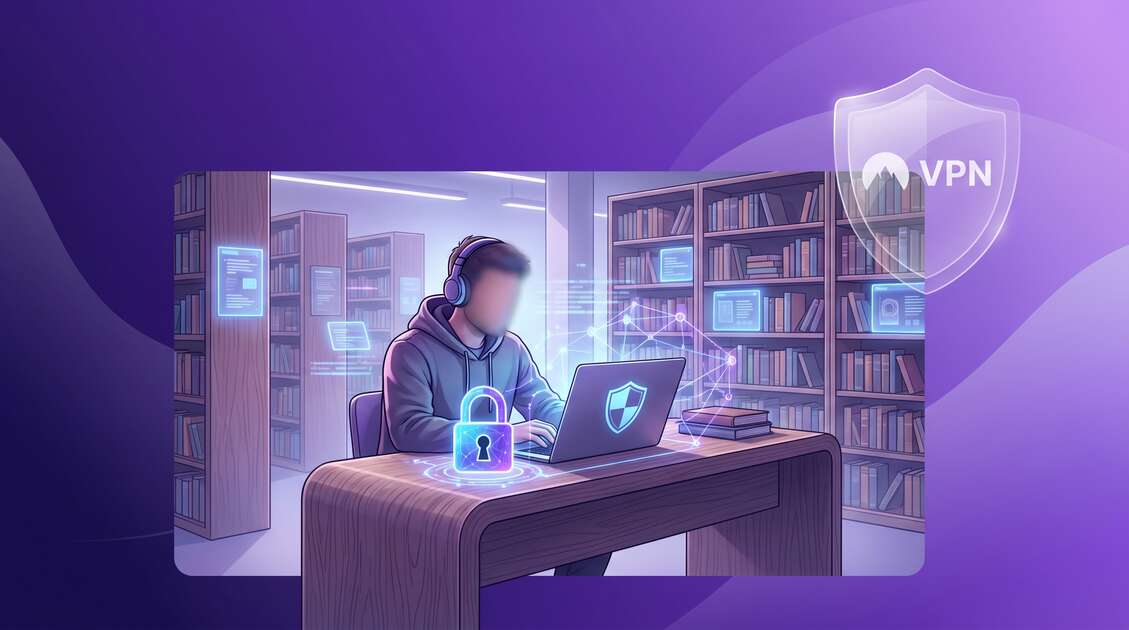
Your library reading history reveals your deepest intellectual interests, political beliefs, religious views, health concerns, and personal secrets. Yet most people don't realize that libraries maintain detailed records of everything you borrow, research, and access—and these records can be accessed by law enforcement, schools, employers, and even third parties in some jurisdictions. Using a VPN when accessing library resources, online catalogs, and academic databases adds a crucial layer of privacy protection to your intellectual freedom.
Why Library Privacy Matters
Libraries have long been sanctuaries for intellectual freedom—places where people can explore ideas, research sensitive topics, and access information without judgment or surveillance. However, in 2026, that freedom is increasingly under threat from data collection, monitoring, and censorship.
Your library borrowing history is deeply personal. It can reveal:
- Political beliefs: Which candidates, movements, and ideologies you research
- Health concerns: Medical conditions, treatments, and personal health research
- Financial situation: Books about debt, bankruptcy, and financial hardship
- Relationship issues: Resources about divorce, domestic violence, or relationship therapy
- Sexual orientation: LGBTQ+ resources, coming-out guides, and identity exploration
- Religious beliefs: Theology, comparative religion, or searches related to faith
- Legal problems: Criminal law resources, immigration guides, or legal defense research
This data is valuable and vulnerable. Libraries have experienced data breaches, and law enforcement routinely requests patron records. Without privacy protection, your intellectual life becomes a record available to authorities, marketers, and hackers.
What Information Do Libraries Collect?
Modern library systems collect more data than most people realize. Here's what libraries typically track:
- Physical borrowing records: Every book, movie, magazine, and material you check out
- IP address logs: When you use library WiFi or access online catalogs from home
- Account information: Name, address, phone number, email
- Database access: Which academic, genealogy, and research databases you use
- Computer usage logs: Time spent on library computers and websites visited
- Interlibrary loan requests: Books borrowed from other libraries
- Overdue notices: What you borrowed and when you returned (or didn't)
Important Privacy Notice
In the United States, law enforcement can request library records without a warrant in some circumstances, and many library staff members are uncomfortable with this reality but feel powerless to resist.
Intellectual Freedom & Censorship Threats
Libraries are under increasing pressure to censor collections, restrict access to materials, and monitor patron behavior. These threats come from multiple directions:
Government surveillance: In authoritarian countries, library access logs are used to identify and arrest political dissidents, religious minorities, and activists. Even in democracies, law enforcement increasingly requests patron records.
Book banning and censorship: Conservative and progressive groups both push libraries to remove books on topics like sexuality, gender identity, politics, and race. Knowing which banned books people access can lead to social consequences.
Geographic restrictions: Many academic databases and library resources are geographically restricted and unavailable outside specific regions. Researchers in developing countries often cannot access the same materials as those in wealthy nations.
ISP monitoring: When you access your library's online catalog or academic databases from home, your ISP can see what resources you're researching—without a VPN, these requests are logged.
Censorship is Accelerating
According to the American Library Association, book challenges and censorship attempts have reached historic levels. Protecting your research history is more important than ever.
How VPN Protects Your Library Privacy
A VPN (Virtual Private Network) encrypts your internet traffic and masks your IP address, providing several crucial privacy benefits for library users:
Hide your location: When you access your library's online catalog or academic databases remotely, a VPN hides your real location and IP address. Library staff cannot see your IP address logs, and law enforcement cannot easily trace your activities back to your location.
Protect against ISP monitoring: Your internet service provider can see what websites you visit and what data you request. With a VPN, your ISP only sees encrypted traffic going to the VPN server—not the specific library resources you're accessing.
Bypass geographic restrictions: Many academic databases, research journals, and library resources are restricted by geography. A VPN can help you access library resources from anywhere in the world, which is especially important for international researchers, students abroad, and people in countries with limited access to academic materials.
Secure library WiFi: If you work at the library and connect to their WiFi network, a VPN encrypts your traffic and protects you from other users on the network who might try to intercept your data.
Add privacy against library data breaches: While a VPN cannot prevent a library database breach, it ensures that your connection to library systems is encrypted, and hackers on the library network cannot intercept your authentication credentials.
Pro Tip
Connect to your VPN before accessing any library resources, including your library's online catalog, academic databases, and e-book collections. This ensures all your library activities are protected from the moment you connect.
Securing Academic Database Access
Researchers and students often access academic databases like JSTOR, ProQuest, EBSCOhost, and specialized research platforms through their library's remote access system. These databases contain sensitive research, medical information, and restricted publications that many people may want to research privately.
VPN benefits for academic research:
- Private research: Your search queries and database access remain private from ISPs, network administrators, and potentially surveillance systems
- Geographic access: Access your university library's licensed databases from anywhere in the world
- Avoid algorithmic profiling: Database companies track what researchers search for and sell this data to advertisers and data brokers. A VPN with a different IP address makes it harder for databases to build a profile of your research interests
- Protect methodology: If you're conducting sensitive research (political science, human rights, controversial topics), a VPN protects your research methodology from discovery
Practical Steps to Protect Your Library Visits
1. Use a VPN before accessing library systems: Enable your VPN before connecting to your library's WiFi or accessing online library resources. Free VPN's one-tap connection makes this effortless.
2. Use a separate library account: If possible, create a separate email address for your library account that is not linked to your real identity. This adds another layer of privacy.
3. Avoid logging into personal accounts at the library: Don't log into social media, email, or other personal accounts while using library WiFi. If you must, use a VPN to encrypt the connection.
4. Use private browsing mode: Combine VPN use with your browser's private/incognito mode to avoid local caching of your research history.
5. Clear library cards periodically: Some libraries allow you to request that your borrowing history be cleared or kept private. Ask your librarian about privacy options available at your library.
6. Advocate for library privacy policies: Support library systems and organizations that prioritize patron privacy and refuse to surrender patron records without proper legal process.
7. Use the library's physical materials: While less convenient, physically visiting the library and checking out books in person—with cash payment where applicable—creates less of a digital footprint than accessing resources online.
Key Takeaways
- Libraries maintain detailed records of your reading history, research interests, and borrowing patterns
- Your library account can be accessed by law enforcement, schools, and third parties without warrant in some jurisdictions
- Using VPN when accessing library databases protects your research from ISP monitoring and geographic restrictions
- Intellectual freedom is under threat from censorship, monitoring, and surveillance in libraries worldwide
- VPN hides your location when accessing library catalogs remotely and prevents library staff from logging your IP address
- For maximum privacy, combine VPN with encrypted communication and careful account security practices
Protect Your Intellectual Freedom Today
Your right to read and research without surveillance is fundamental to a free society. Libraries have been defenders of intellectual freedom for centuries, but that freedom increasingly needs technological protection. By using Free VPN when accessing library resources, online catalogs, and academic databases, you protect your reading history, research interests, and intellectual privacy from ISPs, hackers, and unwanted surveillance.
In 2026, privacy is not just about hiding embarrassing search queries—it's about protecting your fundamental right to explore ideas, question authority, and research sensitive topics without fear of judgment or retaliation. Combine VPN protection with library privacy practices, and you can confidently use your library as it was intended: as a sanctuary for learning and intellectual freedom.