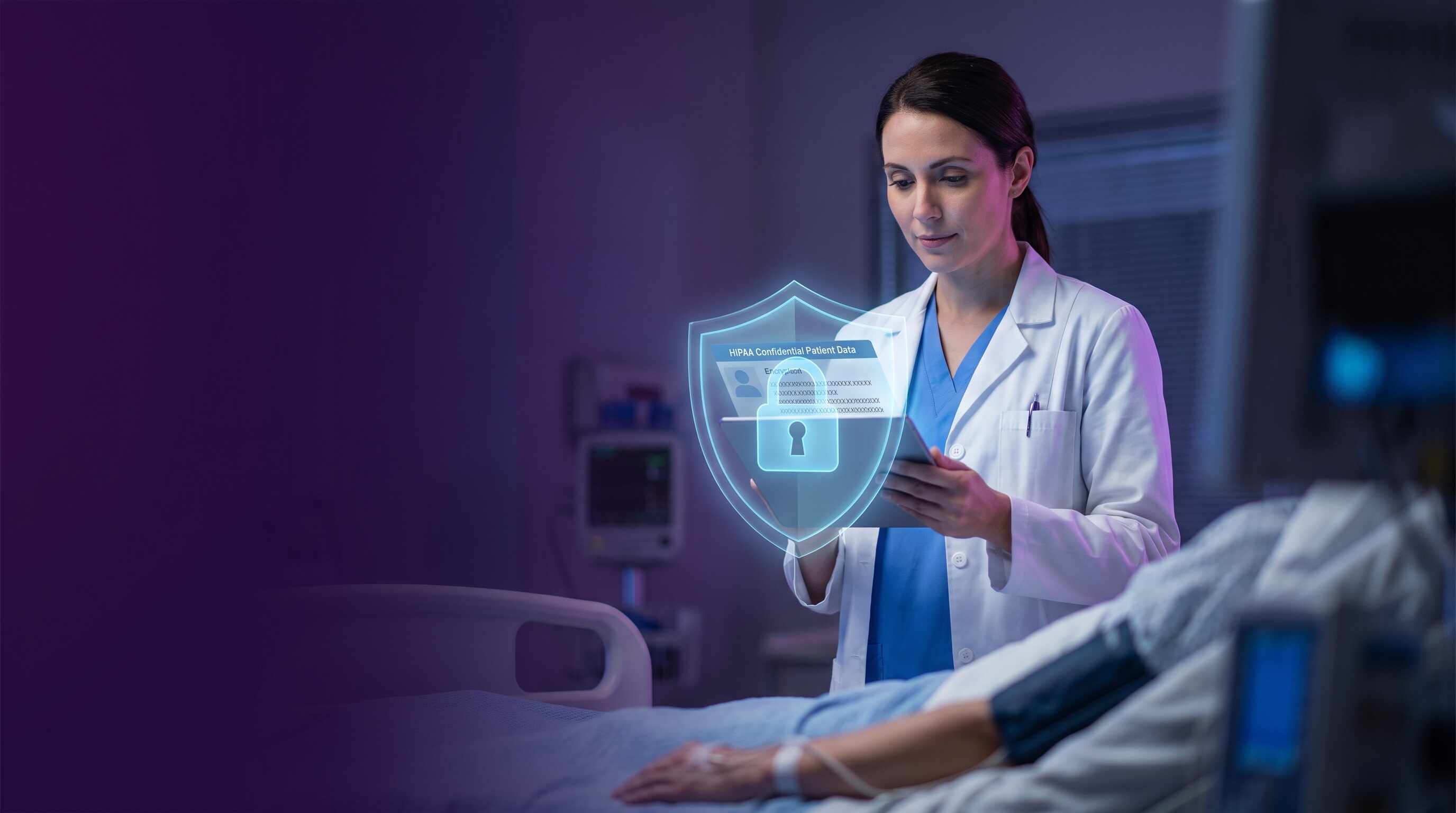
Nurses are the backbone of healthcare, providing round-the-clock patient care and managing sensitive health information every single day. From medication records and diagnostic results to personal medical histories and family contact information, nurses handle a constant stream of highly confidential patient data. But in an increasingly digital healthcare ecosystem—where patient information flows across hospital networks, mobile devices, electronic health records (EHRs), and telehealth platforms—this vital confidentiality is under constant threat. A single data breach can expose thousands of patients, compromise medical privacy, and create vulnerabilities for fraud, identity theft, and even physical harm. This guide shows how nurses can protect patient data, maintain HIPAA compliance, and secure their nursing practice with VPN technology.
Why Nurses Face Unique Digital Threats
Nurses occupy a unique position in the healthcare system: they are the primary custodians of patient information, managing data that's far more comprehensive and intimate than what most other professionals handle. Unlike doctors who may see patients in isolated appointments, nurses provide continuous care, documenting vital signs, medication administration, behavioral observations, family dynamics, and personal disclosures that build a complete picture of a patient's life and vulnerabilities.
The scope of this responsibility, combined with the chaotic nature of modern hospital environments, creates significant security challenges:
- Continuous data access: Nurses access patient records dozens of times per shift, across multiple devices and networks
- Mobile-first workflows: Point-of-care devices, mobile stations, and tablets require access from diverse network environments
- Shift work complexity: 12-hour shifts, split schedules, and on-call work mean nurses work from home, remote locations, and unfamiliar networks
- Legacy infrastructure: Many hospitals run outdated systems with security gaps and unpatched vulnerabilities
- High-value targets: Criminals specifically target healthcare institutions for ransomware attacks, knowing hospitals will pay large sums to restore patient data
- Regulatory burden: HIPAA violations carry severe penalties ($100–$50,000+ per breach), and nurses can face personal liability
- Third-party ecosystem: Integration with multiple vendors, insurance systems, and external platforms creates expanded attack surface
HIPAA Compliance Risk
According to the Department of Health and Human Services, healthcare data breaches have exposed over 300 million patient records since 2009. Nurses and healthcare workers are frequently the vector for these breaches through unencrypted device access, public WiFi use, and credential compromise. A single unencrypted transmission of patient data can result in HIPAA penalties ranging from $100 to $50,000 per violation.
Patient Confidentiality & HIPAA Obligations
The Health Insurance Portability and Accountability Act (HIPAA) and state licensing board regulations require nurses to maintain strict confidentiality of all patient information. This isn't just a legal requirement—it's a core professional ethics obligation that forms the foundation of the nurse-patient relationship.
Specific HIPAA obligations for nurses include:
- Privacy Rule: Protect and limit the use and disclosure of patient medical records and health information
- Security Rule: Implement safeguards for electronic protected health information (ePHI), including access controls, encryption, and audit logs
- Breach Notification Rule: Report unauthorized access or disclosure of patient information to affected individuals within 60 days
- State nursing board regulations: Maintain patient confidentiality as a condition of nursing licensure
- Professional ethics codes: ANA Code of Ethics requires nurses to safeguard patient privacy and respect confidentiality
- Malpractice liability: Negligent handling of patient data can result in personal liability and license suspension
Failure to comply with these obligations can result in federal penalties, state board discipline, malpractice claims, and loss of professional licensure. For individual nurses, the personal stakes are enormous—a confidentiality breach can end a nursing career.
Patient Data & Medical Information Vulnerabilities
The health information nurses access includes some of the most sensitive data in existence. A typical patient's medical record contains:
- Complete medical history: All diagnoses, treatments, hospital admissions, surgeries, and complications
- Medication records: All current and past medications, dosages, allergies, and adverse reactions
- Mental health and psychiatric information: Therapy records, psychiatric diagnoses, substance abuse history, trauma disclosures
- Reproductive and sexual health: Pregnancy status, contraception use, abortion history, STI test results, sexual orientation
- Financial information: Insurance details, payment methods, financial hardship information
- Identity information: Social Security numbers, driver's license numbers, passport information
- Family information: Emergency contacts, family medical history, living situations, childcare arrangements
- Behavioral observations: Nurse documentation of patient behavior, emotional state, compliance, judgment
This comprehensive profile can be weaponized in multiple ways. Criminals can use stolen health information for medical identity theft (opening accounts, ordering medications, submitting false claims), targeting vulnerable patients for fraud, location-based harassment (for patients fleeing domestic violence), and blackmail for reproductive or psychiatric information.
Hospital Network & Device Security Challenges
Hospitals maintain complex networks that connect thousands of devices—medical equipment, workstations, mobile devices, printers, and patient monitoring systems. This interconnected ecosystem creates multiple vulnerability points:
- Shared workstations: Multiple nurses log into the same computer during shift changes, creating credential compromise risks
- Mobile device management gaps: Tablets and mobile stations may not have current security patches or encryption
- Guest network exposure: Cafeterias, break rooms, and public areas may have unencrypted guest WiFi where nurses occasionally access patient data
- Printer vulnerabilities: Patient documents may be printed to public printers or intercepted during wireless transmission
- Legacy systems: Older EHR systems and hospital infrastructure may not support modern encryption standards
- Vendor integrations: Third-party systems (lab results, insurance, pharmacy) create additional security dependencies
- Unencrypted email: Some hospital systems may transmit patient data via unencrypted email or messaging
Hospital Breach Statistics
According to a 2025 healthcare breach report, hospital and healthcare facility breaches increased 47% year-over-year, with an average of 40,000+ patient records exposed per breach. Ransomware attacks targeting hospitals have increased 240% since 2021, with average ransom demands exceeding $2.6 million.
Mobile Nursing & Point-of-Care Device Risks
Modern nursing workflows are increasingly mobile. Nurses use tablets, mobile workstations, and smartphones to access patient records at the bedside, document medication administration, check lab results, and communicate with other care team members. While this mobility improves efficiency and patient safety, it creates significant security challenges:
- Network diversity: Mobile devices connect to hospital networks, home WiFi, cellular data, and public hotspots—each with different security profiles
- Device loss/theft: A lost tablet containing patient information is a direct HIPAA violation and potential security breach
- Unencrypted data transmission: Patient data accessed through mobile apps may be transmitted without encryption
- Screen exposure: Nurses may inadvertently expose patient information on screens visible to other patients, visitors, or public areas
- Session interception: Unencrypted mobile sessions can be intercepted by malicious actors on shared networks
- App vulnerabilities: Healthcare apps may have security flaws or may transmit data to third parties without consent
The challenge intensifies during shift changes, when nurses may quickly access records from multiple locations, or during call-outs, when nurses may work from home or unexpected locations with potentially insecure networks.
Telehealth & Remote Nursing Work Security
The shift toward telehealth and remote nursing work—accelerated during the pandemic and continuing today—has created new security vulnerabilities. Nurses now provide virtual patient monitoring, tele-triage, and remote documentation from home offices, coffee shops, and other locations with uncontrolled network security:
- Home network security: Residential WiFi may not have strong encryption or security configuration
- Family network contamination: Family members' devices on the same network may be compromised, potentially enabling access to patient data
- Unencrypted video calls: Patient video calls conducted through standard telehealth platforms may be unencrypted or vulnerable to interception
- Screen sharing vulnerability: When demonstrating procedures or reviewing records on video, patient data may be visible to unintended parties
- Recording/documentation risks: Patient encounters may be recorded or documented in ways that don't protect privacy
- Public WiFi work: Nurses on-call may access patient data from airports, hotels, or other public networks
Patient Targeting & Personal Health Information Exposure
Stolen health information enables targeted attacks against patients themselves. Criminals don't just use health data for abstract fraud—they weaponize it against vulnerable individuals:
- Medical identity theft: Criminals open fraudulent medical accounts, obtain prescriptions, or order medical equipment in the patient's name
- Medication targeting: Exposure of controlled substance prescriptions can lead to prescription fraud or medication diversion
- Location tracking: Patients with sensitive conditions (reproductive health, psychiatric care, addiction treatment) may face targeting based on facility locations or appointment patterns
- Blackmail/extortion: Disclosure of psychiatric diagnoses, reproductive health decisions, or substance abuse history can be used for extortion
- Workplace discrimination: Health information exposure could compromise employment if employers discover specific diagnoses
- Domestic violence exposure: For patients fleeing abuse, location information or facility visits could be weaponized by perpetrators
- Insurance fraud: Stolen health information can be used to file false insurance claims or obtain medication benefits
VPN Best Practice for Nurses
Professional nurses should use VPN before accessing any patient data on networks outside the hospital's main secure infrastructure. This includes home networks, mobile hotspots, public WiFi, and even hospital guest networks. VPN encryption ensures that patient data transmission is protected regardless of network quality or security level.
Ransomware, Data Breach & Hospital System Threats
Healthcare is the most ransomware-targeted industry. Criminals specifically target hospitals because:
- Critical infrastructure: Hospitals must restore systems immediately to maintain patient safety, making them likely to pay ransoms
- High-value targets: Average hospital ransomware ransom is $2.6 million, with some exceeding $10 million
- Double extortion: Attackers steal patient data before encrypting systems, threatening to sell or release it publicly unless additional ransom is paid
- Supply chain attacks: Compromised healthcare vendors (EHR companies, hospital billing systems) can propagate ransomware across multiple institutions
When ransomware hits a hospital, the impact is catastrophic. Patient care is compromised, surgery is postponed, emergency department capacity is reduced, and—critically for patient privacy—large volumes of sensitive health information may be exfiltrated, copied, and sold on the dark web.
How VPN Protects Nurses
A Virtual Private Network (VPN) creates an encrypted tunnel between a nurse's device and the internet, protecting patient data transmission across any network. Here's how VPN protects nursing practice:
- Encryption of patient data transmission: All data traveling between the nurse's device and hospital systems is encrypted, preventing interception
- MITM attack prevention: Man-in-the-middle attacks that intercept unencrypted traffic are prevented by encryption
- IP address masking: The nurse's physical location and device identity are hidden, preventing location-based targeting
- Public WiFi protection: Even on unsecured public networks, all traffic is protected by VPN encryption
- DNS privacy: VPN prevents ISPs and network administrators from seeing which healthcare systems are being accessed
- Home network security: Remote nurses can securely access hospital systems without exposing patient data to family network devices
- Credential protection: VPN prevents credential theft when logging into EHR systems or hospital applications
- Mobile device security: Tablets, phones, and mobile workstations can securely access patient data from any location
VPN is not a complete security solution—it must be combined with strong authentication, device security, access controls, and security training. But it is an essential layer of protection that prevents the most common attack vector: unencrypted data transmission across untrusted networks.
Building a Comprehensive Protection Strategy
VPN is critical, but protecting patient data requires a multi-layer approach:
Layer 1: Network Encryption (VPN)
Use VPN for all access to patient data outside the hospital's primary secure network infrastructure. This includes home networks, mobile devices, public WiFi, and untrusted hospital networks.
Layer 2: Device Security & Endpoint Protection
Maintain strong device security on all devices accessing patient data—keep operating systems and applications patched, enable password protection, enable encryption at rest, and avoid using personal devices for healthcare access when possible.
Layer 3: Strong Authentication & Access Controls
Use strong, unique passwords for healthcare systems, enable multi-factor authentication (MFA) when available, log out of shared workstations, and strictly limit access to patient information needed for care delivery.
Layer 4: Secure Communications
Use hospital-provided secure messaging systems for patient communications, avoid transmitting patient data via personal email or unencrypted messaging, and verify the security features of any telehealth platforms used.
Layer 5: Data Handling & Storage
Only access and transmit patient information necessary for care delivery, delete patient data from personal devices when no longer needed, avoid printing patient information unnecessarily, and securely dispose of documents containing patient data.
Layer 6: Incident Response & Monitoring
Report suspected security incidents immediately to hospital IT and compliance, monitor for signs of compromised credentials (unusual login locations, unexpected password reset requests), and participate in security training and awareness programs.
Key Takeaways
- Nurses are custodians of highly sensitive patient data including medical histories, medications, diagnoses, and personal information
- HIPAA violations can result in severe penalties ($100–$50,000+ per breach) and legal liability for both nurses and healthcare facilities
- Hospital networks, mobile nursing stations, and EHR systems are frequent targets for ransomware attacks and data breaches
- Patient data breaches can enable identity theft, medical fraud, location targeting, and personal safety risks for vulnerable patients
- Mobile devices and personal networks used for nursing work face constant exposure to interception, credential theft, and malware
- VPN encryption protects patient data transmission across hospital networks, mobile devices, and home networks used for telehealth
- A comprehensive protection strategy requires network encryption (VPN), device security, access controls, and incident response planning
- Nurses should use VPN before accessing patient data on public WiFi, home networks, or untrusted hospital guest networks
- Telehealth platforms should be used with VPN to prevent unencrypted patient video, audio, and documentation from being intercepted
- Regular security training, strong authentication, and encrypted communications are essential for protecting patient confidentiality
Protecting Patient Confidentiality Starts with You
Patient data confidentiality is not just a regulatory requirement—it's a foundational trust that patients place in healthcare providers. When that trust is broken through a data breach or privacy violation, the consequences extend far beyond legal penalties. Patients may face identity theft, location-based harm, workplace discrimination, or loss of autonomy over deeply personal health information.
As a nurse, you hold an incredible responsibility and power: you control the gateway to some of the most sensitive information in a patient's life. Protecting that information requires vigilance, awareness, and the right security tools.
A VPN provides the fundamental encryption layer that protects patient data transmission across any network. Combined with strong authentication, device security, secure communications, proper access controls, and security awareness, VPN ensures you can confidently deliver care while respecting the privacy and confidentiality that patients depend on.
The question isn't whether patient data is at risk—it clearly is, with healthcare breaches increasing annually. The question is what you'll do to protect it. Start with VPN encryption for all access to patient data outside secure hospital infrastructure. Then implement the other layers of a comprehensive protection strategy. Your patients are counting on you.