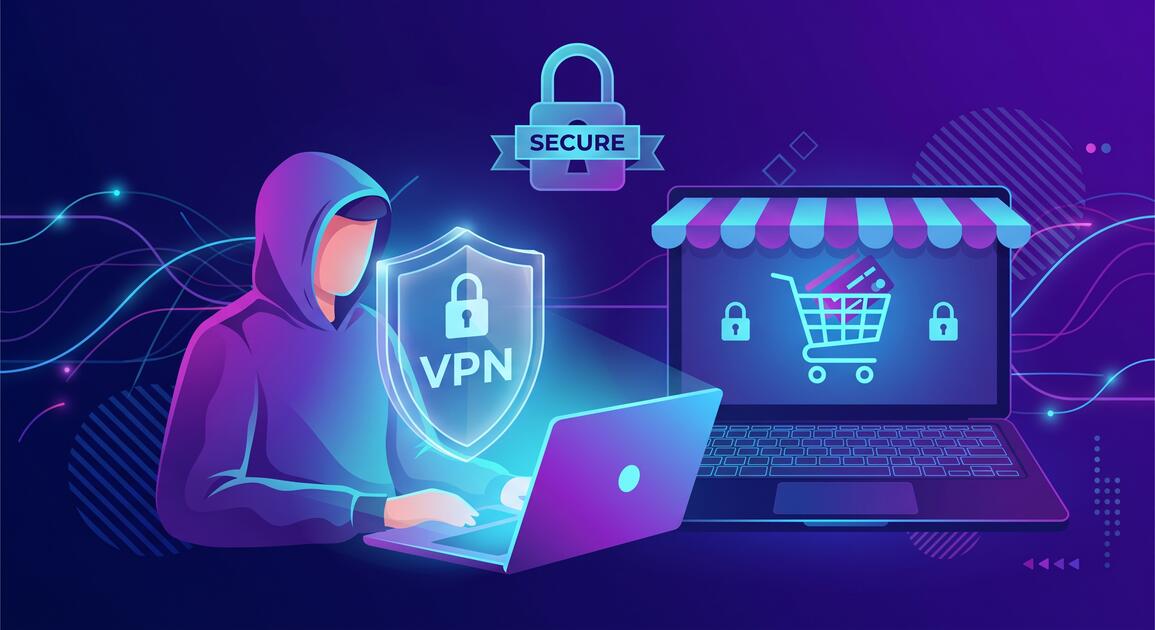
Every time you shop online, you send sensitive information across the internet—credit card numbers, addresses, phone numbers, and personal preferences. Hackers work constantly to intercept this data, steal your identity, and drain your accounts. A VPN encrypts your entire shopping session, protecting your payments and personal information from theft. In 2026, online shopping security isn't optional. It's essential.
Why Online Shopping Puts Your Data at Risk
When you browse an online store and enter your payment details, your information travels through multiple networks to reach the payment processor. Without encryption, anyone monitoring those networks can see what you're doing—and steal your data in the process.
The problem becomes even more serious on public WiFi. A 2025 cybersecurity survey found that 62% of online purchases happen on public networks like coffee shops, airports, and hotels. These networks are gold mines for hackers because they're unencrypted and poorly monitored.
But the risks don't end with public WiFi. Even on home networks, your ISP (Internet Service Provider) can see which websites you visit and collect data about your shopping habits. Data brokers buy this information and sell it to advertisers, resulting in higher prices when you shop.
Did You Know?
According to the 2025 Internet Crime Complaint Center report, online shopping fraud losses exceeded $8.6 billion globally. Most victims shopped from public WiFi without VPN protection.
Threats Online Shoppers Face
Understanding the specific threats to online shoppers helps you appreciate how VPN protection works. Here are the main dangers:
1. Man-in-the-Middle (MITM) Attacks
Hackers position themselves between your device and the website you're visiting to intercept data. They monitor unencrypted traffic and steal login credentials, payment information, and personal details in real time. This is especially common on public WiFi, where the attacker doesn't even need to be nearby—they just need to be on the same network.
2. Payment Card Theft
When your credit card information is stolen, criminals use it to make unauthorized purchases or sell it on the dark web. By the time you notice the fraudulent transactions, significant damage is already done to your financial accounts and credit score.
3. Identity Theft
Hackers combine shopping data (shipping address, phone number, email) with information from data breaches to create a complete identity profile. They use this to open new accounts, apply for credit, and commit fraud in your name.
4. Fake Payment Sites
Scammers create fake shopping websites that look identical to legitimate stores. Without proper security awareness, you might enter your payment details on a fake site and lose your money instantly. Without VPN, attackers can also redirect you to these fake sites through DNS hijacking.
5. Location Tracking & Price Discrimination
Websites track your location and browsing history to show you different prices based on where you are and your shopping patterns. Users in wealthy areas see higher prices for the same products. This "dynamic pricing" costs consumers billions annually.
Warning
Never shop online without a VPN when on public WiFi. The risk of immediate financial loss or identity theft is too high to ignore. A single compromised transaction can take months to resolve.
How VPN Protects Your Shopping
A VPN (Virtual Private Network) encrypts all data traveling between your device and the VPN server. This means everything you do online—including shopping—happens inside an encrypted tunnel that hackers cannot penetrate.
Complete Encryption
When you use Free VPN while shopping, your credit card numbers, addresses, passwords, and personal information are encrypted using military-grade standards. Even if a hacker intercepts the data, they see only encrypted gibberish, not your actual information.
IP Address Masking
Your real IP address reveals your location, internet provider, and other identifying information. A VPN replaces your IP with one from the VPN server, hiding your true location and identity from websites you visit. This prevents location-based price discrimination and stops trackers from building profiles on you.
Protection from Man-in-the-Middle Attacks
Because all your traffic is encrypted inside the VPN tunnel, attackers cannot intercept payment information even if they're on the same public WiFi network. The VPN tunnel keeps your shopping secure from prying eyes.
DNS Leak Protection
Your DNS requests (queries about which websites to visit) can reveal your browsing history. Free VPN's built-in DNS leak protection ensures that even your DNS queries are protected and routed through secure, privacy-friendly servers.
Defense Against Fake Payment Sites
Some VPNs include protection against malicious websites and phishing pages. Free VPN's security features help prevent redirection to fake shopping sites that steal payment information.
Pro Tip
Enable auto-connect on Free VPN so that your VPN activates automatically whenever you connect to a network. This ensures you're always protected, even if you forget to manually enable VPN before shopping.
VPN + Best Practices for Safe Shopping
VPN is essential, but it's most effective when combined with other security practices. Here's a complete shopping security plan:
1. Always Use VPN Before Shopping
Enable Free VPN before visiting any shopping website. This should be automatic—use the auto-connect feature so VPN activates whenever you connect to a network. Never enter payment information without VPN protection.
2. Verify HTTPS & Lock Icon
Even with VPN, always check that the website URL starts with "https://" and shows a lock icon in the browser address bar. This indicates the website uses additional encryption. Never shop on websites without HTTPS, even with VPN enabled.
3. Use Strong, Unique Passwords
Create different passwords for each shopping account. Use a password manager to generate and store complex passwords. This prevents attackers from accessing multiple accounts if one password is compromised.
4. Enable Two-Factor Authentication (2FA)
Activate 2FA on all shopping accounts. This requires a second form of verification (like a code from your phone) even if someone has your password. It provides crucial protection against account takeover.
5. Monitor Your Accounts Regularly
Check your credit card and bank statements weekly for unauthorized transactions. Set up alerts with your bank for purchases above a certain amount. Early detection prevents fraud from spreading.
6. Check Privacy Policies
Before shopping on a new site, read their privacy policy. Look for statements about data collection, retention, and whether they sell customer information. Avoid sites that sell your data to third parties.
7. Keep Software Updated
Ensure your browser, operating system, and Free VPN are always updated. Security patches fix vulnerabilities that attackers exploit. Enable automatic updates where possible.
Key Takeaways
- Online shopping transmits sensitive data including credit card numbers, addresses, and personal information
- Public WiFi during shopping is especially risky—hackers intercept payment information and steal identities
- VPN encrypts your entire connection, protecting credit cards, passwords, and personal details from theft
- Man-in-the-middle attacks and fake payment sites cannot intercept VPN-protected transactions
- Combine VPN with 2FA, HTTPS verification, and trusted sites for maximum shopping security
- Free VPN protects you completely free—no registration, no bandwidth limits, no payment history tracking
Shop Safely with Free VPN
Online shopping is convenient, but it exposes you to real financial and identity risks. Every purchase without VPN protection is a gamble with your credit card information and personal data. The good news? Protecting yourself is simple and free.
Free VPN encrypts your shopping sessions, hides your location, and prevents attackers from stealing your payment information. Combined with strong passwords, two-factor authentication, and basic security awareness, you create multiple layers of protection that make you a difficult target for criminals.
Start protecting your shopping today. Download Free VPN, enable auto-connect, and shop with confidence knowing that your credit cards, addresses, and personal information are safe from hackers.