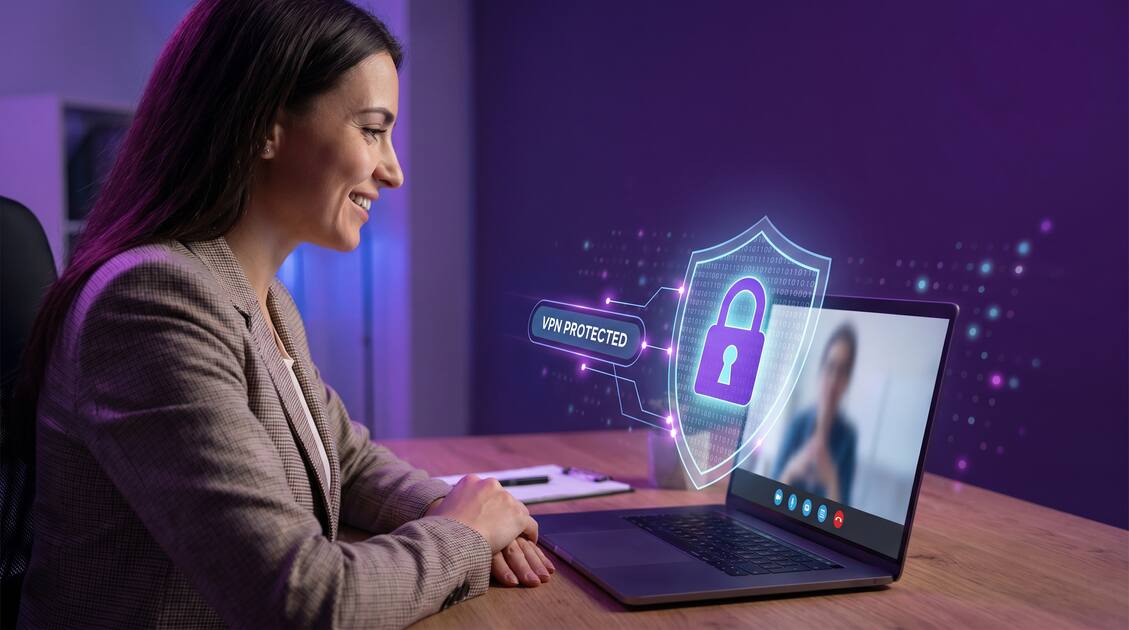
Therapists and counselors handle some of the most sensitive personal information available—mental health records, trauma histories, personal struggles, family dynamics, and intimate details that clients reveal only in the safety of a therapeutic relationship. This information is sacred, protected by professional ethics codes, legal confidentiality requirements, and the fundamental trust clients place in their therapists. Yet many mental health professionals remain vulnerable to data breaches, unencrypted communications, and network surveillance that can expose their clients' most private information.
Why Therapists & Counselors Need Enhanced Privacy
Unlike other professionals, therapists operate under a fiduciary duty of confidentiality. Clients share information in therapy that they would never reveal to family, friends, or colleagues. A therapist's role is to provide a sanctuary where clients can be completely honest without fear of judgment, exposure, or consequences. This requires absolute confidentiality protections at every level—from private session spaces to encrypted data storage to secure communications.
The High Stakes of Confidentiality Breaches
Mental health information is exponentially more sensitive than general healthcare data. A therapy breach doesn't just expose medical information—it can reveal:
- Mental health conditions: Depression, anxiety, PTSD, bipolar disorder, schizophrenia, and other diagnoses that carry significant social stigma
- Trauma histories: Abuse, assault, violence, and traumatic experiences that clients fear public disclosure of
- Relationship secrets: Infidelity, abuse, family dysfunction, and intimate relationship details
- Identity information: Sexual orientation, gender identity, and transition-related information before public disclosure
- Substance use: Addiction struggles, recovery progress, relapse risks, and treatment history
- Suicidal or homicidal thoughts: Dangerous information that could be weaponized against clients
A single therapy breach can result in job loss, relationship dissolution, social ostracism, legal consequences, or even self-harm. Therapists bear the moral and legal responsibility to prevent this exposure at all costs.
Telehealth Security & Session Privacy Risks
The shift to telehealth, accelerated by the pandemic, has created new security challenges for mental health professionals. While video therapy platforms offer convenience and accessibility, they also introduce multiple points of vulnerability where client information can be intercepted, monitored, or exposed.
Unencrypted Video Streams
Many therapy platforms use standard HTTPS encryption at the web level, but this provides only baseline protection. Without VPN encryption at the network level, your Internet Service Provider (ISP) can see that you're connecting to therapy platforms, your geographic location, connection frequency, and session duration. This metadata alone reveals that you're seeking mental health treatment—information clients often want to keep private.
Critical Risk: ISP Monitoring During Telehealth
Your ISP can see every website you visit and every connection you make—including therapy platform domains—regardless of HTTPS encryption. Without VPN protection, ISPs can track your therapy sessions and potentially share this information with third parties, insurance companies, or law enforcement. This is a fundamental privacy violation that affects client trust.
WiFi Network Exposure
Many therapists conduct sessions from home offices using shared WiFi networks. Unless that WiFi is secured with strong encryption AND you're using a VPN, anyone on the same network can intercept video streams, client communications, or session recordings. This includes family members, roommates, housemates, or neighbors with network access. A session hack through home WiFi can expose client information to household members who shouldn't be aware therapy is happening.
Coffee Shop & Mobile Session Risks
Some therapists see clients during lunch breaks, between appointments, or while traveling. Conducting sessions over coffee shop WiFi or mobile hotspots creates enormous exposure. Public WiFi networks are notoriously insecure—data transmitted over these networks can be intercepted by anyone on the network. Without VPN protection, client audio, video, and screen content can be captured by malicious actors.
Client Data Protection & Confidentiality Obligations
Therapists have legal and ethical obligations to protect client information. In the United States, these obligations are primarily defined by HIPAA (Health Insurance Portability and Accountability Act) for licensed mental health providers in covered entity roles, and by state licensing board rules that require confidentiality protections. Many therapists also have professional liability insurance that requires specific security standards.
Legal Requirements for Mental Health Data
Client records must be maintained securely with:
- Encryption: Data should be encrypted both in transit (during transmission) and at rest (in storage)
- Access controls: Only authorized personnel should access client records; multi-factor authentication protects against unauthorized access
- Data minimization: Only collect and store information necessary for treatment; delete records according to retention schedules
- Breach notification: Therapists must notify clients if their data is breached; VPN use prevents many breach scenarios
- Audit trails: Document who accessed client information and when; this helps identify unauthorized access
Did You Know?
A single mental health data breach can result in HIPAA violations costing $100,000+ in fines per incident, plus breach notification costs, legal liability, and damage to professional reputation. VPN use is a fundamental security control that prevents many common breach scenarios.
Professional Workspace & Device Security
Therapists' workspaces—whether home offices, small practice spaces, or shared clinics—contain client information that requires protection from physical and digital threats.
Home Office Vulnerabilities
Many therapists work from home offices where they manage client records, send communications, and conduct video sessions. Home networks often lack enterprise-grade security:
- Weak router encryption: Default passwords and outdated security protocols on home routers create network vulnerabilities
- Shared network access: Family members, guests, or roommates on the same WiFi can access data
- Insufficient segmentation: Personal devices on the same network as client records create cross-contamination risks
- Lack of monitoring: Most home users don't monitor network access or detect intrusions
Portable Device Risks
Therapists often work from multiple locations with laptops, tablets, and phones that contain or access client information. These devices face greater theft, loss, or compromise risks than stationary office computers. VPN protection ensures that even if a device is compromised, the attacker cannot easily access encrypted client data transmitted over your networks.
Client Information Breaches & Compliance Violations
The mental health industry has experienced significant data breaches affecting clients' sensitive information. These breaches typically occur through:
- Unencrypted email: Client records or communications sent through unencrypted email channels
- Cloud storage vulnerabilities: Files stored in unsecured cloud accounts or shared drives
- Ransomware attacks: Attackers encrypt practice data and demand payment for decryption
- Compromised user accounts: Weak passwords or lack of multi-factor authentication allow unauthorized access
- Unencrypted network traffic: Client communications transmitted without encryption across unsecured networks
Pro Tip: Multi-Layer Protection
VPN protection should be one part of a comprehensive security strategy that includes encrypted email, secure cloud storage, strong passwords with multi-factor authentication, and encrypted file storage. VPN specifically protects against network-level attacks and ISP monitoring during communications.
Mobile Devices & Portable Data Risks
Modern therapy practice relies on mobile devices for telehealth, email communications, secure messaging apps, and client record access. These devices create unique security challenges:
Mobile Device Threats
Smartphones and tablets face specific security risks:
- Public WiFi connections: Mobile workers often connect to public WiFi networks to avoid using cellular data, exposing unencrypted communications
- Device theft: Phones and tablets are frequently lost or stolen; VPN encryption protects data even if devices are compromised
- App-based vulnerabilities: Some therapy apps or communication platforms have weaker security than web browsers
- Background tracking: Apps and advertising networks track location and usage patterns; VPN masks this tracking
- Cellular network vulnerabilities: Mobile networks can be intercepted; VPN protects even over cellular connections
How VPN Protects Therapists & Counselors
A VPN (Virtual Private Network) creates an encrypted tunnel between your device and the internet. This encryption protects your communications and prevents surveillance at multiple levels:
Encryption During Telehealth Sessions
When you connect to a therapy platform through a VPN, your entire connection is encrypted. This means:
- Your ISP cannot see that you're connecting to therapy platforms
- Your connection metadata is hidden from network observers
- Session duration and frequency data is not exposed to third parties
- Your location cannot be determined from your connection
ISP Monitoring Prevention
Without VPN:
- ISP sees every website you visit (including therapy platform domains)
- ISP can see your connection frequency and duration
- ISP knows your geographic location and IP address
- ISP could potentially share this data with advertisers, insurance companies, or law enforcement
With VPN:
- ISP only sees encrypted VPN connection data
- ISP cannot identify which websites you're visiting
- Your location and IP address are masked
- Your therapy practice data remains private from ISP surveillance
Public WiFi & Mobile Network Protection
VPN encryption is especially critical when conducting sessions over public WiFi or mobile networks. Without VPN, anyone on the same network can potentially intercept your video stream, audio, or session data. With VPN encryption, even if someone captures your traffic, they only see encrypted data they cannot decrypt.
Building a Comprehensive Confidentiality Strategy
VPN protection should be part of a multi-layer security approach that protects clients' most sensitive information:
1. Network Security Layer (VPN)
- Use Free VPN before every telehealth session
- Enable VPN for all client communications and data access
- Use VPN on home networks to protect against intrusions and WiFi snooping
- Enable auto-connect VPN to ensure protection on unexpected network switches
2. Device Security Layer
- Keep all devices updated with latest security patches
- Use strong, unique passwords with multi-factor authentication on all accounts
- Enable device encryption to protect against physical theft
- Use antivirus/anti-malware software on all devices
3. Data Storage & Access Layer
- Use encrypted cloud storage for client records (end-to-end encryption)
- Implement access controls and multi-factor authentication on all systems
- Use password managers to maintain strong, unique passwords
- Regular backups ensure data recovery from ransomware attacks
4. Communication Security Layer
- Use encrypted messaging apps for client communications
- Never send client information through unencrypted email
- Use HIPAA-compliant video platforms for telehealth
- Verify secure connections (HTTPS) before transmitting sensitive data
5. Monitoring & Response Layer
- Monitor for unauthorized access attempts using audit logs
- Maintain incident response plans for potential data breaches
- Document all security measures for compliance verification
- Regular security audits and penetration testing
6. Professional Obligations Layer
- Maintain professional liability insurance covering data breaches
- Document security practices for licensing board compliance
- Communicate data protection practices to clients
- Update security practices as new threats emerge
Key Takeaways
- Therapists handle some of the most sensitive personal information—mental health records require the highest confidentiality protections
- Telehealth sessions can expose client information to ISPs, WiFi networks, and unauthorized third parties without VPN encryption
- HIPAA violations during therapy practice can result in significant fines, loss of license, and damage to client trust
- Always use VPN before telehealth sessions to encrypt client communications and protect sensitive conversations
- Client data breaches create trust violations that can end therapeutic relationships and damage professional reputation
- Mobile therapy devices, home office WiFi, and shared networks require VPN protection to maintain confidentiality standards
Protecting Confidentiality Is Your Core Professional Responsibility
Your clients trust you with their deepest vulnerabilities, their trauma histories, their identity secrets, and their struggle stories. This trust is sacred. Protecting that trust through comprehensive security practices—including VPN encryption for all client communications—is not optional; it's a fundamental part of ethical mental health practice.
VPN protection alone is not sufficient—it must be one part of a comprehensive security strategy that addresses network security, device security, data storage, communications encryption, monitoring, and professional compliance. But it is a critical part because it prevents ISPs and network observers from exposing that you're seeking or providing mental health treatment.
Every therapist and counselor should use Free VPN before every telehealth session, every client communication, and every data transmission. Your clients deserve nothing less than the highest level of confidentiality protection available. Free VPN makes that protection instant, easy, and always available—no registration required, no data collection, just immediate encryption of your professional communications.
Start protecting your clients today. Download Free VPN and secure every session, every conversation, and every data transmission from the moment you connect.