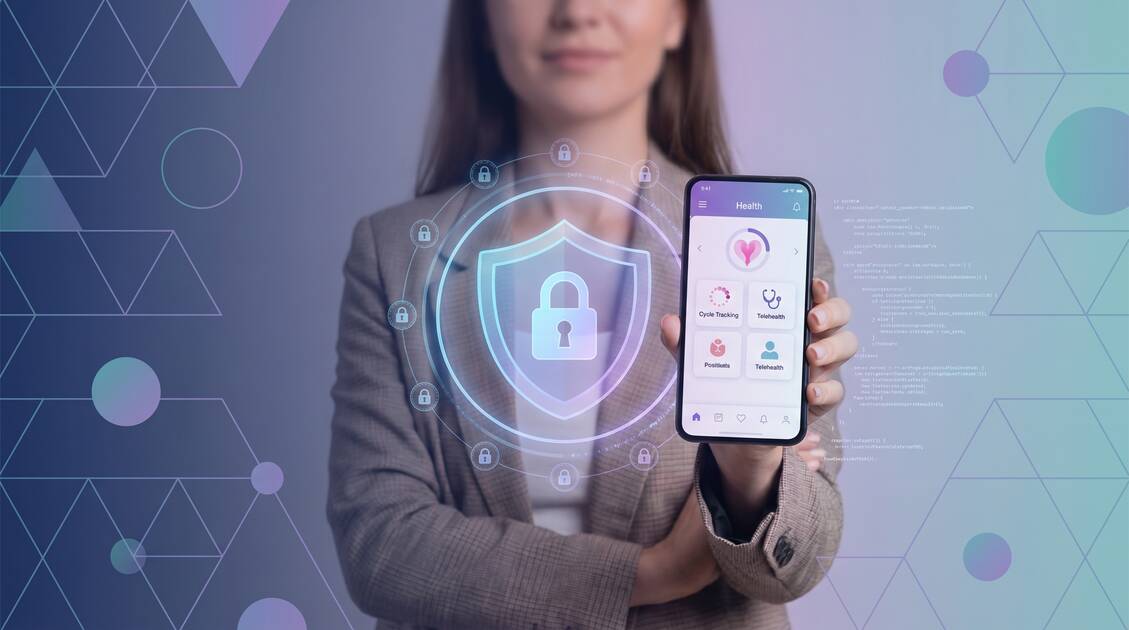
Millions of women use period tracking apps, fertility monitors, and women's health platforms every day. While these tools provide valuable health insights, they also collect extremely sensitive personal data—information about your menstrual cycles, ovulation windows, contraception choices, and pregnancy plans. This intimate health data is often sold to advertisers, pharmaceutical companies, and data brokers. In 2026, protecting your reproductive privacy isn't just important—it's essential. This guide reveals how women's health apps collect your data and how VPN encryption safeguards your reproductive information from tracking, breaches, and misuse.
How Women's Health Apps Collect Your Data
Women's health apps collect far more data than most users realize. When you log your menstrual cycle, you're providing apps with detailed information about your body, health, and life circumstances. This data collection goes beyond just tracking periods.
Popular period tracking apps like Flo, Clue, and Eve collect detailed menstrual cycle data including start dates, cycle lengths, flow intensity, symptoms, and mood patterns. Fertility tracking apps like Natural Cycles and Kindara collect ovulation predictions, basal body temperature readings, and intercourse timing. Pregnancy apps track gestational age, health metrics, and personal pregnancy milestones. Many apps also collect location data, device information, IP addresses, and app usage patterns.
This data reveals intimate details about women's reproductive status, family planning intentions, health conditions, and lifestyle patterns. When combined with other data sources (shopping habits, social media activity, search history), this creates a comprehensive profile of women's reproductive lives.
Did You Know?
A study by the Surveillance and Technology Oversight Project found that several popular period tracking apps share data with Facebook, Google, and data brokers—even when users don't have accounts with those companies. Your menstrual cycle information could be sold to third parties without your explicit consent.
The Risks of Unprotected Reproductive Data
The exposure of women's reproductive data creates serious privacy, security, and safety risks. When your health information is visible to ISPs, advertisers, and hackers, your autonomy and safety are threatened.
Targeted Advertising & Manipulation: Companies use reproductive data to target women with specific products, services, and political messaging. If an app detects pregnancy, you'll suddenly see pregnancy product ads everywhere. This targeted advertising exploits vulnerable moments in women's lives.
Insurance Discrimination: While illegal in most countries, insurers may deny coverage or charge higher premiums based on reproductive health data. Women seeking fertility treatments, contraception, or pregnancy-related care face potential discrimination.
Employment Discrimination: Employers who access reproductive data could discriminate against women seeking fertility treatments, pregnancy, or menopause support. This data could affect hiring, promotion, and workplace accommodations.
Relationship & Family Impacts: Reproductive data breaches can expose sensitive family planning information to partners, employers, or unwanted parties. Women fleeing domestic violence or managing secret contraception use are particularly vulnerable.
Critical Privacy Threat
In states with abortion restrictions, law enforcement agencies have requested access to period tracking app data to identify women who may have had abortions. Your reproductive data could potentially be used against you in legal proceedings. VPN encryption helps protect this sensitive information from unauthorized access.
Fertility Apps & Pregnancy Planning Privacy Concerns
Fertility and pregnancy planning apps are particularly invasive. These apps ask women to share intimate details about their family planning intentions, intercourse frequency, and health conditions. This information reveals major life plans and personal circumstances.
Fertility tracking apps collect ovulation data, intercourse timing, and basal body temperature. Pregnancy planning apps ask about contraception methods, miscarriage history, and family planning goals. Some apps even include sexual health questionnaires and relationship status information.
This data is valuable to pharmaceutical companies developing fertility drugs, insurance companies assessing reproductive health costs, and data brokers building detailed consumer profiles. A woman's family planning intentions, revealed through app data, can be used to target her with fertility treatments, pregnancy products, or pregnancy-related medical services.
Many women don't realize they're sharing family planning data with companies they've never heard of. When apps update their privacy policies or change ownership, reproductive data previously protected may suddenly be sold to new companies. Women who switch fertility apps leave behind detailed reproductive history that can persist online indefinitely.
Data Breaches & Women's Health Exposure
Women's health apps are frequent targets for data breaches because the information they contain is so valuable. When breaches occur, millions of women's reproductive data is exposed.
Historical breaches of women's health apps have exposed:
- Menstrual cycle data affecting millions of women
- Pregnancy status and delivery dates
- Sexual health and fertility information
- Names, birthdates, email addresses, and phone numbers
- Health condition and symptom data
When data breaches occur, women's reproductive information becomes available to identity thieves, harassment campaigns, and social engineering attacks. Cybercriminals can use exposed reproductive data to impersonate women, gain access to related accounts, or execute targeted attacks.
Data brokers aggregate breached app data with other information to build comprehensive reproductive profiles sold to insurance companies, marketers, and other entities. A woman breached once may be exposed multiple times as her data passes through the data broker ecosystem.
Use a VPN Before Accessing Health Apps
Connect to Free VPN before opening any period tracking, fertility, or pregnancy app. This encrypts your connection, hiding your activity from ISPs and network snoops. Even if someone is monitoring your internet connection (workplace networks, shared WiFi), they won't see what health apps you're using or what data you're accessing.
How VPN Protects Your Reproductive Privacy
VPN encryption is one of the most effective ways to protect your reproductive health data from tracking, interception, and unauthorized access.
Encrypts Your Connection: VPN encrypts all data traveling between your device and the health app's servers. Even if someone is monitoring your internet connection, they can't see what health data you're sending or receiving. Your period tracking, fertility data, and health information stays private.
Hides Your IP Address: VPN masks your real IP address, making it difficult for apps, advertisers, and trackers to identify you. Health apps can't see your location, device fingerprint, or browsing habits. This prevents targeted ads and data collection based on your location and device.
Prevents DNS Leaks: Health apps sometimes use DNS queries to determine your location and identity. VPN protects against DNS leaks, ensuring that your health app usage isn't logged by your ISP or visible to third parties monitoring your network traffic.
Blocks Trackers & Analytics: Many health apps embed trackers that monitor your app usage, health data interactions, and in-app behavior. VPN, combined with VPN's ad blocker, can prevent these trackers from following your health app activity.
Protects Public WiFi Access: Women often access health apps on public WiFi networks at coffee shops, clinics, and libraries. Unencrypted WiFi networks are prime targets for man-in-the-middle attacks where attackers intercept health data. VPN encrypts your health data on public networks, preventing WiFi snooping.
Best Practices for Women's Health Privacy
VPN is essential for reproductive privacy, but it's most effective when combined with other privacy practices.
Review App Privacy Policies: Before downloading a period tracking or fertility app, read its privacy policy carefully. Look for clear statements about what data is collected, how it's used, and who it's shared with. Avoid apps that don't explicitly prohibit selling reproductive data to third parties.
Disable Location Services: Turn off location access for health apps. Apps don't need your location to track menstrual cycles or fertility windows. Disabling location prevents apps from collecting geographic data tied to your reproductive health.
Limit Data Sharing: Many health apps ask to integrate with other health platforms like Apple Health or Google Fit. While convenient, this spreads your reproductive data across multiple platforms. Share data only when necessary.
Use Pseudonymous Accounts: Create accounts for health apps using a pseudonym or secondary email address, not your primary email. This limits the connection between your reproductive data and your real identity. If the app company is hacked, attackers won't immediately connect the breached data to you.
Enable Two-Factor Authentication: Use two-factor authentication on all health app accounts. This prevents unauthorized access even if your password is compromised in a breach.
Regularly Review Connected Apps: Check which apps have access to your health data through integrations like Apple Health. Remove access for apps you no longer use or don't fully trust.
Keep Software Updated: Update health apps and your device operating system regularly. Security patches fix vulnerabilities that could expose your reproductive data.
Key Takeaways
- Women's health apps collect sensitive reproductive data including menstrual cycles, fertility windows, contraception choices, and pregnancy plans
- This data is often sold to advertisers, pharmaceutical companies, and data brokers without explicit user consent
- Law enforcement agencies can request access to reproductive health data, raising concerns about privacy in states with abortion restrictions
- VPN encrypts your connection to health apps, hiding your reproductive data from ISPs, advertisers, and unauthorized parties
- Using VPN before accessing health apps is the single most effective way to protect your reproductive privacy
- Combine VPN with privacy policies review, location services disabling, and careful app selection for maximum reproductive privacy
Protecting Your Reproductive Privacy is Empowerment
Your reproductive choices, health decisions, and family planning intentions are deeply personal. These decisions belong to you alone—not to advertisers, data brokers, law enforcement, or corporations.
Women's health apps provide valuable tools for understanding your body and planning your future. But using these apps doesn't mean surrendering your privacy. By using VPN, carefully selecting trustworthy apps, and implementing privacy best practices, you protect your reproductive autonomy and prevent your most intimate health data from being exploited.
Download Free VPN today and encrypt your women's health app usage. Your reproductive privacy is worth protecting—and it starts with a secure, encrypted connection. Protect your reproductive freedom. Protect your privacy.