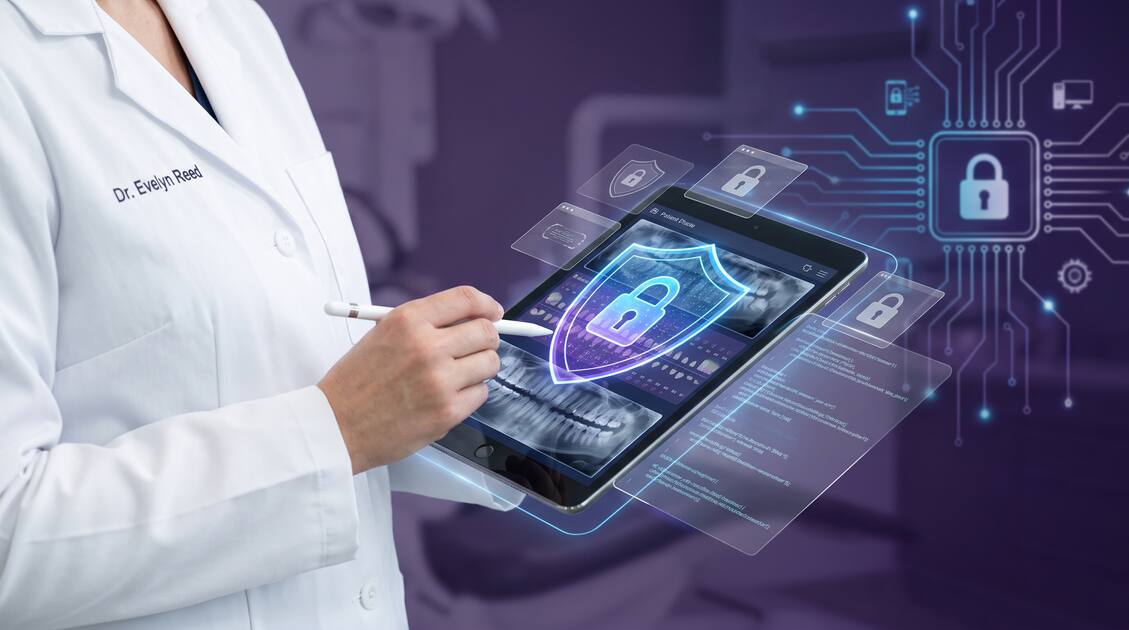
Dental professionals are trusted guardians of highly sensitive patient information. From medical histories and treatment plans to financial records and appointment schedules, dental practices hold data that criminals actively target. Yet most dental clinics operate with minimal cybersecurity protections, leaving both patient confidentiality and practice operations at serious risk. A VPN is a critical first step in securing your dental practice and protecting the patients who trust you.
Why Dentists Face Unique Digital Threats
Dentists face a perfect storm of digital vulnerabilities. You're trusted with sensitive personal and medical information, but many dental clinics still operate with outdated technology, weak security practices, and minimal cybersecurity training. Unlike hospitals that invest heavily in IT security, dental practices often prioritize clinical care over data protection—creating significant exposure.
The threats are real and multifaceted. Patient data breaches can result in identity theft, financial fraud, and reputational damage to your practice. Your clinic's network may be accessed by staff from multiple locations, using personal devices on insecure WiFi. Payment processing systems may transmit unencrypted credit card data. Appointment schedules published online can expose patient location information and personal details. And with increasing telemedicine consultations, remote access to patient records, and cloud-based practice management systems, the attack surface continues to expand.
Here's the reality: dental practices are vulnerable because they're valuable targets but often lack the resources of large healthcare providers. Cybercriminals know this, and they exploit it.
Critical Vulnerability
Appointment schedules posted online reveal when patients will be away from home, making them targets for burglary. A hacker with access to your clinic database can use this information to time break-ins at patient homes.
Patient Personal Information & Confidentiality Risks
Patient confidentiality is both an ethical obligation and a legal requirement. Yet patient data in dental practices is often remarkably unprotected. Patient records typically include names, addresses, phone numbers, email addresses, dates of birth, and insurance information—everything a criminal needs for identity theft.
Beyond basic identifying information, patient records often contain sensitive personal details revealed during consultations. Information about family structure, work situations, relationship status, financial circumstances, and lifestyle choices are all part of comprehensive dental care. This intimate knowledge of patients' lives is exactly what criminals seek to exploit.
Data breaches in dental practices expose thousands of patient records to thieves. These stolen identities are then sold to criminal networks, often leading to credit card fraud, loan fraud, and years of financial trouble for victims. Your patients trust you to keep their information safe—and they have a right to expect that protection.
Dental Records & Medical Data Vulnerabilities
Dental records are medical records. They contain diagnoses, treatment plans, medical histories, allergies, medications, surgical procedures, and ongoing health information. This medical data is valuable to healthcare scammers who use it for insurance fraud, to criminals who target patients with specific vulnerabilities, and to identity thieves who need complete medical profiles.
Detailed treatment records—including X-rays, implant planning, complex reconstructive work, and cosmetic procedures—can reveal significant information about a patient's financial status, health conditions, and personal circumstances. Someone using this information maliciously can impersonate the patient for healthcare fraud or use medical vulnerabilities for targeted scams.
Additionally, some patients have legitimate privacy concerns around their dental records. Orthodontic treatment, cosmetic dentistry, oral surgery, and other procedures can be sensitive. Patients expect these records to remain confidential, not transmitted unencrypted or accessible to unauthorized third parties.
Location Tracking & Schedule Exposure Risks
Dental appointment schedules are a treasure trove of sensitive information. When patients schedule cleanings, extractions, implant consultations, or root canals weeks in advance, they're creating a public record of their location and intentions during specific times. Criminals use this information in sophisticated ways.
If appointment schedules are accessible online, criminals can see which patients will be away from their homes at specific times—perfect information for planning burglaries. They can target patients scheduled for afternoon or evening appointments, knowing homes will be unoccupied. Patients who travel for implant consultations or complex procedures reveal extended absence windows.
Appointment exposure also enables stalking, harassment, and targeting of specific patients. If someone has malicious intent toward a patient, knowing their scheduled appointment time reveals when they'll be vulnerable. This is a particular concern for patients fleeing domestic violence, experiencing workplace harassment, or managing safety concerns.
Did You Know?
A single dental appointment reveals timing, location, and patient identity. Combined with other data breaches, appointment information enables sophisticated location-based targeting and burglary planning.
Financial Data & Payment Information Security
Dental practices handle significant financial data. Payment processing systems transmit credit card information, bank account details, and authorization codes. Insurance claims contain patient financial information and coverage details. Account balances, payment plans, and financial arrangements are all part of the practice's records.
If this financial data is transmitted over unencrypted connections or accessible through unsecured networks, criminals can intercept it. Payment card data intercepted during transmission can be used for fraudulent purchases. Bank account information enables direct fraud. Insurance claim information can be used for insurance fraud in the patient's name.
Credit card processing must comply with PCI DSS standards, but many dental practices struggle to meet these requirements. VPN encryption is a critical component of protecting payment card data during transmission and ensuring compliance with security standards.
Telemedicine & Remote Consultations Security
Post-pandemic, telemedicine has become standard in dental practice. Remote consultations for patient follow-ups, treatment planning, and prescription management are increasingly common. But video consultations, audio calls, and screen sharing all transmit sensitive patient information over internet connections that may not be encrypted.
When you connect from a public WiFi hotspot for a remote consultation, or when a patient calls from an unprotected network, unencrypted communications can be intercepted. Attackers can eavesdrop on conversations, record video sessions, capture images shared during the consultation, or access prescriptions discussed. This violates patient privacy and potentially violates HIPAA requirements for protecting electronic protected health information (ePHI).
Additionally, telemedicine platforms may log IP addresses, metadata, and access patterns. VPN encryption ensures these remote interactions remain confidential and protected from ISP monitoring, network surveillance, and third-party eavesdropping.
Clinic Network & Device Security
Dental clinic networks often have significant security gaps. Guest WiFi networks in waiting rooms are typically unencrypted, allowing any connected device to be compromised. Staff computers may run outdated operating systems and unpatched software. Shared devices used by multiple staff members often have weak password policies or no access controls. Mobile devices used for practice management may lack security protections.
Third-party vulnerabilities create additional risk. Dental practice management software, patient management systems, and backup services may have outdated security or may transmit data in unencrypted formats. Vendors' systems may be compromised, creating access points into your practice's data.
The combination of distributed work (staff working from homes, other offices, or mobile locations), limited IT resources, and minimal security training creates an environment where basic protections like VPN are essential.
How VPN Protects Dental Practices
A VPN (Virtual Private Network) encrypts all your internet traffic, masking your actual IP address and routing your connection through secure servers. Here's how VPN specifically protects your dental practice:
- IP Address Masking: VPN hides your clinic's real IP address, preventing attackers from directly targeting your practice's network infrastructure. Your actual location remains hidden from websites, hackers, and network monitors.
- Encrypted Data Transmission: All data sent from your clinic—patient records, payment information, communications—is encrypted before leaving your network. Even if intercepted, encrypted data is useless to attackers without the decryption keys.
- Public WiFi Protection: When staff access patient data from public WiFi networks, VPN encryption ensures that data remains protected from other WiFi users and network administrators.
- ISP Monitoring Prevention: Your internet service provider cannot see what data you're transmitting or to whom, even though they can see you're using a VPN. This protects clinic data from ISP-level surveillance.
- DNS Leak Prevention: VPN services typically provide their own DNS servers, preventing DNS queries from leaking to your ISP or revealing which websites and services you access.
- Man-in-the-Middle Attack Prevention: Encrypted VPN connections prevent attackers from intercepting and modifying data in transit. Your communications remain authentic and unaltered.
Pro Tip
Use VPN on all clinic devices when accessing patient data, processing payments, or accessing practice management systems—especially when accessing from remote locations or public networks. This single practice can dramatically improve your security posture.
Building a Comprehensive Protection Strategy
While VPN is essential, comprehensive protection requires a multi-layered approach. Here's how to build a complete security strategy for your dental practice:
Layer 1: Network Encryption & VPN
Use VPN on all clinic devices, especially those accessing patient data or processing payments. This encrypted layer protects data in transit and prevents network-level eavesdropping. For clinic-wide protection, consider a business VPN solution that encrypts all network traffic.
Layer 2: Device Security & Endpoint Protection
Ensure all clinic devices have updated operating systems, security patches, and antivirus software. Use strong password policies and multi-factor authentication for all systems accessing patient data. Encrypt device storage so data remains protected if devices are stolen.
Layer 3: Data Handling & Storage Security
Implement clear protocols for handling patient data. Store patient records in encrypted databases. Limit access to patient data to staff who need it. Regularly back up critical data to encrypted, offline storage. Develop a data retention policy that securely destroys old records.
Layer 4: Secure File Transfers & Communications
Use encrypted file transfer methods for sharing patient data. Avoid emailing unencrypted patient information. Use encrypted messaging for sensitive communications. Ensure patient communications (email, SMS) are protected with appropriate security measures.
Layer 5: Access Controls & Authentication
Implement strong authentication for all systems. Require strong, unique passwords for each staff member. Use multi-factor authentication for sensitive systems. Regularly audit access logs to identify unauthorized access attempts. Revoke access immediately when staff members leave.
Layer 6: Staff Training & Incident Response
Conduct regular security training for all staff. Create clear protocols for reporting security incidents. Develop an incident response plan for data breaches. Maintain cyber liability insurance to protect against breach-related costs. Stay informed about emerging threats affecting dental practices.
Key Takeaways
- Dental practices handle highly sensitive patient data including medical histories, financial records, and personal identifiers with minimal security oversight
- Appointment scheduling systems expose location information, revealing when homes are unoccupied and creating burglary targets for criminals
- Dental records contain medical diagnoses, treatment plans, surgical histories, and pharmaceutical information that can identify vulnerable patients
- Payment processing and insurance claims expose credit card data, bank account information, and financial records to interception attacks
- Telemedicine consultations, remote treatment consultations, and video conferencing require encrypted protection to maintain patient confidentiality
- Dental clinic networks often use outdated systems, weak password practices, and shared devices that create multiple security vulnerabilities
- VPN encrypts all data transmission, masks your clinic's IP address, prevents DNS leaks, and protects against man-in-the-middle attacks
- A comprehensive protection strategy requires 6 layers: VPN encryption, device security, data handling procedures, secure file transfers, access controls, and incident response
- HIPAA compliance requires reasonable safeguards—VPN is a critical component of meeting these legal and ethical obligations
Protecting Your Patients & Your Practice
Your patients trust you with their most sensitive information. They're relying on you to keep their medical records, personal data, and financial information safe. A data breach doesn't just damage your practice's reputation—it can cause real harm to your patients through identity theft, financial fraud, and years of recovery.
VPN is a non-negotiable first step in meeting that trust. It encrypts your communications, protects patient data in transit, and prevents unauthorized access to your clinic's information. Combined with strong device security, careful data handling, and trained staff, VPN helps you build a comprehensive defense against the threats targeting dental practices.
Your responsibility as a dental professional includes protecting patient privacy. Start with VPN, strengthen your defenses with the six-layer strategy outlined above, and regularly review your security practices. Your patients and your practice will be safer for it.