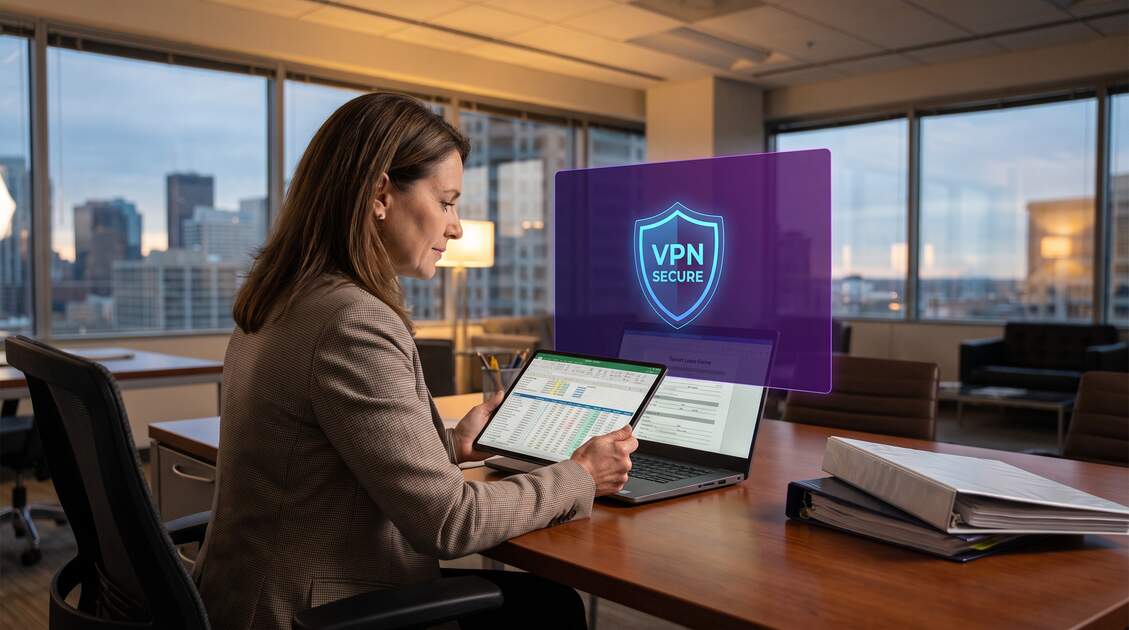
Property managers are custodians of some of the most sensitive information in residential and commercial real estate: tenant identities, financial records, background checks, lease agreements, rental histories, and property access credentials. As a property management professional, you handle confidential tenant data daily—from application screening through resident relationships to lease termination—while managing distributed properties, remote access systems, and vendor networks. Yet the digital security challenges facing property management companies are often overlooked, leaving sensitive tenant information vulnerable to data breaches, location tracking, identity theft, and unauthorized access. This comprehensive guide explores the specific security risks property managers face and how VPN protects your business, your tenants, and your professional obligations.
Why Property Managers Face Unique Digital Threats
Property managers operate in a unique security environment that combines the data sensitivity of financial services with the distributed physical access patterns of facility management. You're not just managing spreadsheets—you're managing people's homes and sensitive personal information about hundreds or thousands of individuals.
Your role makes you a high-value target for cybercriminals for several reasons: you control access to properties containing valuable assets, you maintain extensive databases of tenant financial information, you handle rental payments and security deposits, you manage sensitive application data including background checks and credit reports, and you create detailed records of occupancy patterns revealing when properties are empty or occupied. Property managers are increasingly being targeted by ransomware operators who recognize the urgency of restoring access to property management systems and the willingness to pay ransom to resume operations.
Beyond criminal threats, the distributed nature of property management creates security challenges. You work from multiple locations—office, property sites, tenant meetings, home office—each with different security levels. You use mobile devices to manage properties remotely. You collaborate with third-party vendors, maintenance contractors, and legal professionals. Your networks include property systems, tenant portals, payment processors, and financial integrations. Each of these creates potential exposure points where tenant data or property information could be intercepted, accessed, or compromised.
Tenant Confidentiality & Fair Housing Obligations
Property managers operate under a complex framework of federal, state, and local regulations that govern tenant privacy and fair housing rights. Fair housing laws, state privacy statutes, and property management regulations create specific confidentiality obligations that are distinct from general business record-keeping.
Fair Housing Act Compliance: The federal Fair Housing Act and its state equivalents prohibit housing discrimination based on protected characteristics (race, color, national origin, religion, sex, familial status, disability). Fair housing compliance requires maintaining strict confidentiality of applicant and tenant information, securing screening reports and background checks, protecting rental history and financial records, and preventing unauthorized access to protected characteristics or personal information that could reveal discrimination.
State Privacy Laws: Most states now have privacy laws governing how tenant information is collected, stored, and shared. California's Consumer Privacy Act (CCPA), Virginia's Consumer Data Protection Act (VCDPA), Colorado's Privacy Act (CPA), and similar state statutes give tenants rights to know what data you collect, how it's used, and who it's shared with. CCPA violations alone can result in statutory damages of up to $2,500 per violation or $7,500 per intentional violation.
Tenant Privacy Laws: Some states have specific tenant privacy protections requiring written privacy policies, limiting background check inquiries, restricting use of tenant information, and governing data retention and deletion. Violating tenant privacy rights can result in civil liability, regulatory action, and damage to your company's reputation.
Critical Compliance Risk
Unencrypted data transmission of tenant information could constitute a Fair Housing Act violation if the breach exposes protected information. Regulatory agencies and tenants' attorneys view unencrypted confidential data as evidence of inadequate security safeguards, creating liability under tenant privacy laws and fair housing statutes.
Property Access & Location Tracking Risks
Property management creates unique location tracking risks that don't exist in office-based professions. Your daily work involves visiting specific properties at scheduled times, creating publicly available information about building occupancy, vacancy, and security status.
Schedule Exposure: If your property management routes, visit schedules, or property locations are exposed—through unsecured mobile apps, unencrypted data transmission, or compromised systems—criminals gain detailed intelligence about which properties are being serviced on specific days and times, when certain buildings have vacant units, when security systems are being tested or maintained, and which properties appear unoccupied or undermonitored.
Burglary Targeting: Property address exposure combined with maintenance schedules and access patterns reveals optimal targeting information for residential burglary operations. Criminals learn which buildings have vacant units during specific periods, when utility work or maintenance creates access opportunities, when security is focused on other properties, and how to coordinate theft timing with property management activities.
Tenant Safety Risks: Location tracking of property managers creates secondary risks for vulnerable tenants. Domestic violence survivors, witnesses in criminal cases, individuals fleeing abusive situations, and other vulnerable populations rely on address privacy and unpredictable service patterns to remain safe. If a property manager's location data is exposed or intercepted, abusers or bad actors can determine building addresses and timing, threatening tenant safety.
Tenant Financial Information & Payment Security
Property managers handle comprehensive financial information about tenants: credit card numbers, bank account details for automated payments, security deposit amounts, rent payment histories, financial hardship statements, eviction balances, and collection information. This financial data is a primary target for identity theft and fraud operations.
Payment Processing Vulnerability: Most property management involves rent collection through online payment portals, automated bank transfers, or credit card processing. Each payment transaction exposes tenant financial account information to interception if transmitted over unencrypted networks or through unsecured systems. A property manager working from a coffee shop WiFi processing rent payments without VPN encryption allows anyone on that network to view bank account numbers and payment details.
Account Takeover Risks: Exposed property management credentials or intercepted login sessions enable attackers to access entire property management systems, modify tenant financial records, redirect rent payments to attacker-controlled accounts, issue fraudulent eviction notices, or create forged lease agreements. The financial and operational damage from account takeover can be catastrophic.
Identity Theft Foundation: Tenant financial data combined with personal identification information (name, address, date of birth) creates everything needed for identity theft. Compromised tenant financial records appear in fraud rings selling complete identity packages to criminals conducting synthetic identity fraud, account takeover attacks, and financial crimes.
Lease Agreements & Property Records Security
Property management companies maintain extensive archives of lease agreements, property records, inspection reports, maintenance histories, and modification documentation. These records contain detailed information about property layouts, security systems, access points, renovation details, known mechanical issues, and tenant-specific information embedded in lease terms.
Intellectual Property Risk: Property-specific documentation—custom lease language, standard operating procedures, pricing models, investment analysis, and financial projections—represents business intellectual property. Exposure of these materials to competitors or investors threatens your competitive advantage and business value. Lease templates and rental pricing models are frequently targeted by competing property management companies seeking to replicate your approach.
Lease Enforcement Vulnerability: Lease modifications, amendment documentation, and special agreements between property managers and specific tenants can be altered if records are compromised. Modified lease documents could undermine enforcement actions, create contractual disputes, or expose tenants to altered terms they never agreed to.
Property Security Exposure: Property records containing security system details, master key information, access codes, alarm system configurations, security camera placements, and entry point documentation create significant risk if exposed. Detailed property security information enables break-ins, theft, and unauthorized access targeting your properties.
Property Management Breach Statistics
According to industry reports, property management companies experience data breaches at twice the rate of general business sectors, with an average breach cost exceeding $4.5 million when accounting for notification, remediation, legal liability, and regulatory penalties.
Remote Management & Mobile Device Security
Modern property management relies heavily on mobile and remote access. Property managers need to access tenant information, approve maintenance requests, review lease documents, process rent payments, and communicate with vendors from anywhere—office, properties, tenant meetings, and home. This mobility creates security challenges that stationary office work doesn't face.
Mobile Device Vulnerabilities: Mobile devices accessing property management systems without VPN protection transmit sensitive data—tenant information, financial records, lease documents, access credentials—over public networks. A smartphone or tablet accessing your property management portal from a coffee shop, airport, or property site without encryption exposes that information to anyone on the network capable of intercepting traffic.
Unsecured Home Network Risks: Remote property managers working from home often use shared household WiFi networks that may be compromised, unencrypted, or accessed by family members, guests, or neighbors. Home networks typically lack the security controls of professional office infrastructure, making remote work from home an underestimated vulnerability.
Credential Theft from Mobile: Mobile devices are frequently lost, stolen, or compromised. Unencrypted property management credentials stored on mobile devices, biometric authentication tied to unprotected sessions, or cached login information create risk that extends beyond simple data interception to account compromise and system access.
Property Maintenance & Vendor Network Security
Property management depends on vendor networks of contractors, maintenance services, plumbers, electricians, HVAC specialists, and emergency services. Each vendor interaction involves sharing property information, access codes, security details, and scheduling information. Vendor networks create both direct and indirect security risks.
Vendor Access Control: Providing maintenance contractors access to property information—building layouts, security systems, key locations, emergency procedures—creates risk if vendor systems are compromised or vendors are targeted for information about high-value properties. Contractors with access to your property information can become targets for criminals seeking intelligence about buildings.
Schedule Exposure: Vendor and maintenance schedules reveal property occupancy patterns, security system statuses, when buildings are staffed versus vacant, and when access is granted to outsiders. Exposed maintenance schedules enable timing coordination of theft or unauthorized access to coincide with legitimate contractor activity.
Third-Party Breaches: Vendor systems used to share work orders, property access, or scheduling information may be compromised. A single vulnerable contractor portal or unsecured maintenance coordination system can expose property management information across your entire vendor network and portfolio.
Eviction & Legal Proceedings Confidentiality
Eviction proceedings and legal actions against or involving tenants involve extremely sensitive information: financial hardship statements, medical or disability disclosures, domestic violence situations, child custody details, and highly personal reasons for non-payment or lease violations. This information is often obtained confidentially in good faith and must be protected absolutely.
Sensitive Personal Disclosures: Tenants facing eviction often disclose medical emergencies, job loss, domestic violence, mental health crises, or family emergencies as context for non-payment or lease violations. These confidential disclosures, if exposed, threaten tenant safety, family relationships, employment, and personal dignity. Exposing eviction details that include health, disability, or domestic violence information violates both tenant privacy and potentially HIPAA-related confidentiality obligations.
Legal Strategy Exposure: Communication with attorneys, legal strategy discussions, court filing plans, and settlement negotiations are protected attorney-client communications that must remain confidential. Unencrypted email communication with counsel or intercepted legal documents create privilege violations and undermine legal strategy.
Financial Hardship Targeting: Eviction details revealing tenants in financial distress become targets for predatory lending, fraudulent assistance programs, and exploitation scams. Criminals use exposure of eviction proceedings to identify vulnerable targets for financial fraud.
How VPN Protects Property Managers
VPN protects property managers by encrypting all data transmission, preventing location tracking, securing remote access to property management systems, and providing comprehensive security across the full spectrum of property management activities.
Encrypted Data Transmission: VPN encrypts all data traveling from your devices to your company systems, making intercepted data unreadable and unusable to attackers. Tenant information, financial data, lease documents, payment transactions, and communications with vendors and attorneys are protected from interception even on unencrypted public WiFi networks.
Location Privacy: VPN masks your IP address and location, preventing exposure of your work location, property visit patterns, or movement tracking. Instead of showing your actual location and connection point, VPN makes your connection appear to come from a VPN server in a different location, preventing location-based tracking and property access pattern exposure.
Public WiFi Protection: Coffee shops, property sites, tenant offices, and client locations often have public or shared WiFi networks vulnerable to man-in-the-middle attacks. VPN protects all data on these networks, preventing information theft and credential compromise regardless of network security quality.
Mobile Device Security: Mobile property management on smartphones and tablets benefits significantly from VPN protection, ensuring that property management apps, email, and document access on mobile devices transmit data through encrypted channels regardless of the underlying network quality.
Vendor Communication Privacy: VPN protects communications with vendors, contractors, and service providers by ensuring that shared property information, access codes, and scheduling details cannot be intercepted by unauthorized parties monitoring network traffic.
Property Manager VPN Best Practice
Enable VPN whenever accessing property management systems from any location other than a dedicated office network with professional security infrastructure. This includes coffee shops, home offices, property sites, tenant meetings, and anywhere outside your primary office. For property managers handling sensitive financial or legal information, use VPN for all external access regardless of perceived network security.
Building a Comprehensive Protection Strategy
VPN is critical for property management security but works most effectively as part of a comprehensive multi-layer approach protecting tenant data, company operations, and professional obligations. A complete protection strategy includes six key layers:
1. Network Encryption & VPN Protection: VPN provides the foundation by encrypting all data transmission between your devices and company systems. This is the primary defense against interception and man-in-the-middle attacks. All property managers should use VPN for all external access to property management systems, email, and sensitive documents.
2. Device Security & Access Control: Endpoint protection on all devices accessing property management systems—laptops, tablets, smartphones—provides malware defense, device encryption, and lost device remote wipe capabilities. Multi-factor authentication on all property management system accounts prevents credential compromise from enabling account access.
3. Secure Communications & Vendor Access: Use encrypted email and secure document sharing for confidential communications with attorneys, vendors, and other third parties. Implement vendor access portals with authentication requirements rather than sharing credentials or access codes directly.
4. Data Handling & Storage Security: Maintain secure document storage with encryption for all records containing sensitive tenant information. Implement data retention policies ensuring old records are securely deleted rather than accumulated indefinitely. Limit printing of sensitive documents and securely dispose of physical records containing tenant information.
5. Access Control & Professional Accountability: Implement role-based access controls ensuring staff can only access information necessary for their job functions. Maintain audit logs of who accesses sensitive information and when. Establish clear policies about authorized uses of tenant data and consequences for unauthorized access.
6. Incident Response & Breach Notification: Establish procedures for responding to suspected data breaches, including containment, investigation, notification obligations, and regulatory reporting. Understand your breach notification obligations under fair housing laws, state privacy statutes, and tenant protection regulations. Maintain cyber liability insurance covering breach response costs and liability.
Key Takeaways
- Tenant data includes SSN, background checks, credit reports, financial information, employment details, and personal references creating significant identity theft and fraud risks
- Fair housing laws require strict confidentiality of applicant and tenant information across federal, state, and local jurisdictions with significant civil and regulatory liability for violations
- Property address and access schedules enable location targeting for burglary, theft, and personal harassment of property managers and vulnerable tenants
- Payment processing and rent collection expose tenant financial account information to interception and fraud without encryption protection
- Eviction records and legal proceedings contain extremely sensitive personal and family information requiring absolute confidentiality
- Remote property management and mobile device access increase security risks from device theft, network interception, and unauthorized access
- Vendor schedules and maintenance access reveal property occupancy patterns and security details enabling targeted theft and unauthorized access
- VPN encrypts all data transmission, prevents location tracking, and protects confidential communications across property management activities
- Multi-layer security strategy combining VPN, device security, access controls, and incident response provides comprehensive property management protection
Protecting Your Tenants & Your Business
Property managers occupy a position of trust, handling sensitive information about hundreds or thousands of individuals and managing assets critical to people's lives and livelihoods. The security of tenant data, the confidentiality of lease agreements, the privacy of property access patterns, and the integrity of financial transactions are not just operational requirements—they're ethical and legal obligations to the people and properties you serve.
In 2026, the threats facing property management companies have never been more sophisticated. Ransomware operators specifically target property management software. Breach rings regularly compromise property management databases seeking tenant financial information and identity data. Location tracking enables targeted theft and harassment. Unencrypted data transmission exposes sensitive information to interception on public networks where property managers work remotely.
VPN provides essential protection for property managers, encrypting data transmission, preventing location tracking, securing remote access, and protecting communications with vendors and legal professionals. By implementing VPN as part of a comprehensive security strategy including device protection, access controls, secure communications, and incident response procedures, property management companies can significantly reduce security risks, comply with fair housing and privacy obligations, and maintain the trust of the tenants and property owners who depend on them.
Your role as a property manager is to manage properties and serve tenants professionally and ethically. VPN helps you do that while protecting the sensitive information that enables your business to operate securely in an increasingly hostile cyber environment. Download Free VPN today and take the first step toward comprehensive property management security.