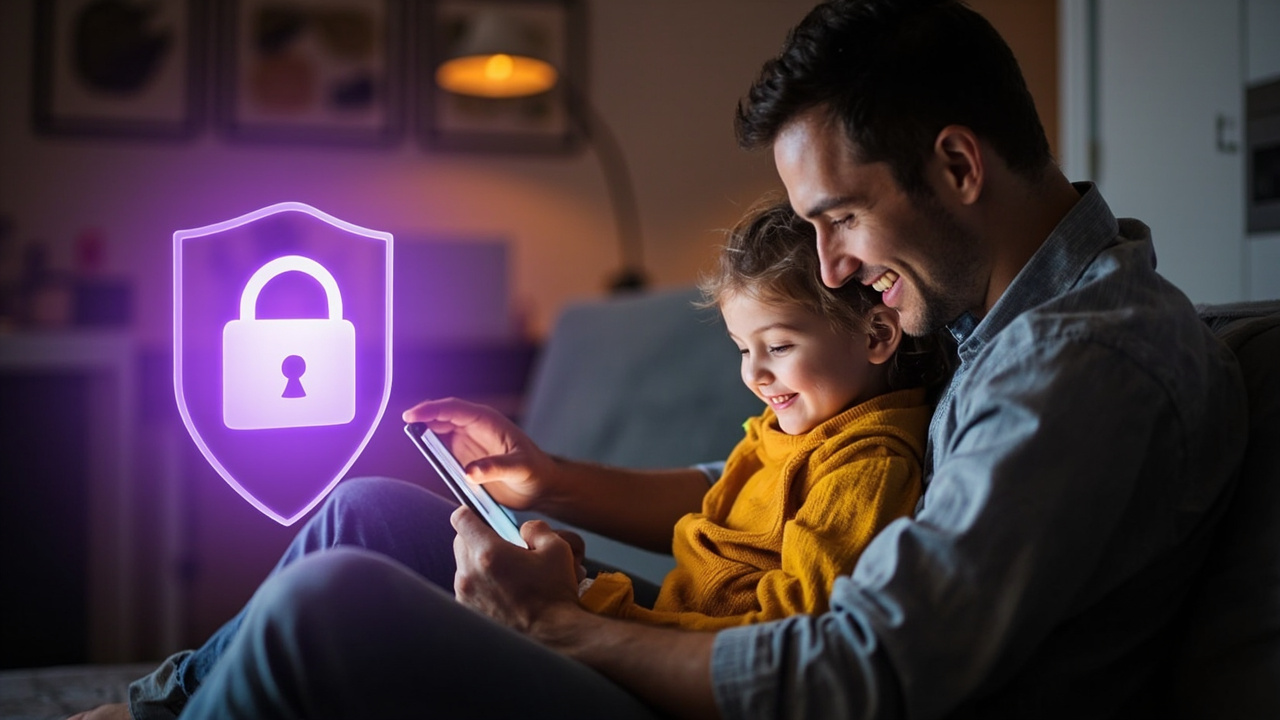
The internet has transformed how children learn, communicate, and grow. Yet this same technology exposes kids to unprecedented dangers: online predators, cyberbullying, malware, and inappropriate content designed to exploit young, vulnerable users. As a parent, you face an impossible balance—giving children the freedom to explore while protecting them from threats most adults don't even know about. This is where VPN becomes an essential tool in your family's digital safety toolkit.
The Real Threats Children Face Online
Before discussing solutions, let's be honest about the dangers. The statistics are sobering and require your immediate attention:
- Online predators are strategic: Predators don't instantly ask for explicit content. Instead, they use grooming—building trust over weeks or months before exploitation. They posing as teenagers on platforms like Discord, TikTok, Instagram, and Snapchat, and your child may never know they're talking to an adult.
- Cyberbullying causes real harm: Unlike playground bullying, cyberbullying follows children home. Bullies can hide behind fake accounts, and hurtful messages spread instantly across friend groups and entire schools.
- Inappropriate content is everywhere: Sex trafficking videos, violent content, and self-harm tutorials are freely available on search engines and social platforms. Algorithms often recommend increasingly extreme content to keep users engaged.
- Your child's location is being tracked: Apps track location data to sell to data brokers who profile children for marketing—or worse. Even gaming apps collect precise location data.
- Malware targeting kids is sophisticated: Malicious apps claiming to be games or communication tools actually install spyware, steal credentials, or participate in botnets.
Parent Alert
Most online predators are known by their victims before exploitation begins. Many exploitation cases start with seemingly innocent conversations on popular social platforms. Your child trusting someone online doesn't mean that person is trustworthy.
How VPN Protects Children
A VPN (Virtual Private Network) is one of the most powerful tools available to protect your children online. Here's how it works in practice:
- Encryption shields conversations: All data your child sends and receives is encrypted end-to-end. Predators cannot intercept conversations, account credentials, or personal information.
- Hides IP address and location: Instead of revealing your child's true location and device ID, VPN routes traffic through a secure server, masking their identity.
- Prevents ISP monitoring: Your Internet Service Provider cannot see what websites your child visits or what apps they use.
- Protects on public WiFi: When your child uses WiFi at school, libraries, cafes, or friends' homes, VPN ensures their data is protected from attackers on the same network.
- Blocks malicious sites: Quality VPN services can block known malware-hosting sites and phishing pages.
How VPN Works (Simple Version)
Imagine your child's internet connection is like a postcard. Everyone can read it. VPN is like putting that postcard inside a sealed, encrypted envelope. Only the VPN server can open it, read the address, and deliver it safely. Attackers and trackers see only the envelope—not the contents.
Blocking Inappropriate Content & Dangerous Websites
VPN encryption is just the first layer of protection. The second layer is content blocking. While VPN doesn't inherently filter content, it enables you to use it alongside parental control software that does.
Here's how this works in combination:
- DNS filtering: VPN can route DNS requests (website lookups) through filtered servers that block known malicious, adult, or violent sites.
- Encrypted browsing: With VPN enabled, even if your child stumbles upon an inappropriate site, their browsing is encrypted. No one on the network can see where they went.
- App protection: VPN protects against malicious apps claiming to be games or messaging tools. If an app tries to connect to known command-and-control servers, the encrypted connection prevents malware execution.
- Search engine safety: VPN doesn't change search results, but it prevents tracking of search queries. Combined with safe search settings on Google, Bing, or DuckDuckGo, you create a safer browsing environment.
Best Practice
Use Free VPN on family devices AND set safe search to "On" in Google, Bing, and YouTube. Many inappropriate sites are filtered by safe search, giving you two layers of protection.
Preventing Contact with Online Predators
VPN isn't a magic bullet against predators, but it does remove a critical tool from their arsenal: location data and device identification.
Here's how VPN disrupts predator tactics:
- Hides location data: Predators often use geolocation to target victims. "What city are you in?" is common grooming language. VPN masks your child's location completely.
- Prevents device fingerprinting: Advanced predators can identify individuals by their device's unique fingerprint (browser, IP, device ID). VPN makes this much harder.
- Protects against tracking apps: Some predators send malicious links or apps that track location. VPN encryption prevents these apps from communicating with tracking servers.
- Reduces targeted advertising: Many predators use data brokers to buy lists of children in specific locations or demographics. VPN prevents data brokers from collecting location and behavioral data on your child.
Location Privacy: Keeping Kids' Whereabouts Secret
Location tracking of children is one of the most underestimated threats. Every app your child uses—from TikTok to Roblox to weather apps—requests location permission and sells this data to data brokers, advertisers, and worse.
Here's what happens with your child's location data:
- Data brokers profile your child: They build profiles including home address, school location, frequented places, and activity patterns. This data is sold to anyone with money.
- Predators buy targeting lists: Some predators purchase location-based lists of children matching their victims' criteria.
- Stalkers track movement: Ex-partners, estranged parents, or obsessed individuals can track a child's movement using app data.
- Marketers target vulnerable children: Companies use location data to target advertising to children at home, school, or places where they're alone.
VPN protects location privacy by:
- Masking the device's real IP address (which can be geolocated)
- Encrypting DNS requests (which reveal visited locations)
- Preventing third-party trackers from determining location through app data analysis
Important Note
VPN protects location privacy on the internet layer, but it doesn't disable app-level location permissions. You must manually disable location permissions in Settings for each app your child uses. VPN + location privacy settings together create complete location protection.
Balancing Monitoring with Age-Appropriate Privacy
VPN raises an important question every parent must answer: How much should I monitor my children? This is deeply personal and depends on your family values, your child's age, and their maturity level.
Here's a healthy framework:
- Ages 6-11 (Supervised browsing): VPN should be enabled on all devices. Monitor app installations. Use parental controls actively. Explain why: "VPN keeps you safe, like a digital seatbelt." Build trust through conversation, not surveillance.
- Ages 12-15 (Guided independence): VPN is mandatory, but step back from monitoring every site. Instead, focus on having regular conversations about what they're seeing online. Explain predator tactics. Build critical thinking skills.
- Ages 16-18 (Respect with guardrails): Many teens want privacy. Respect this, but keep VPN enabled for security reasons (protect from malware, throttling, tracking). Frame it as "I trust you AND I care about your security."
The best protection is a combination of technology + open communication. Teens who feel they can talk to their parents about uncomfortable online encounters are less likely to suffer in silence.
Best Practices for Parents Using VPN
To maximize VPN's protective benefits for your family, follow these practices:
- Enable VPN on all devices: Install Free VPN on tablets, phones, and computers. Make sure it's enabled before your child goes online.
- Explain what VPN does: Don't just install it silently. Tell your child, "VPN is like a protective bubble around your internet. It keeps your data private and safe."
- Combine VPN with other tools: Use built-in parental controls (iOS Screen Time, Android Family Link) alongside VPN. Neither alone is sufficient.
- Have ongoing conversations: Ask your child about their day online. Who are they talking to? What sites are they visiting? Build a culture of openness.
- Teach about predator tactics: Explain grooming in age-appropriate ways. "Adults sometimes pretend to be kids online. If someone you've never met wants to meet you in person or asks for photos, tell me immediately."
- Monitor app installations: Know what apps your child is using. Check privacy policies. Many "games" actually track location and sell data.
- Set rules about public WiFi: When at school, libraries, or friends' homes, WiFi is shared with many people. Emphasize that VPN is non-negotiable on public WiFi.
- Emphasize two-factor authentication: For YouTube, Instagram, TikTok, Discord—enable 2FA on all accounts. This prevents account takeover even if passwords leak.
Key Takeaways
- Online predators, cyberbullies, and inappropriate content pose serious risks to children and teens
- VPN hides your child's real location, IP address, and browsing activity from tracking
- VPN encrypts your child's device so no one can intercept their online conversations
- Free VPN can help prevent access to dangerous websites containing malware or predatory content
- Combine VPN protection with open communication and age-appropriate monitoring
- Teach children about online safety, stranger danger, and responsible digital citizenship
- Use Free VPN on family devices before children connect to any public WiFi network
Protecting Your Family Is a Shared Responsibility
No single tool can eliminate online dangers entirely. VPN is not a substitute for parental involvement, open communication, and teaching digital literacy. Instead, it's a critical tool that removes the easiest ways for predators, trackers, and malware creators to target your children.
The combination of VPN encryption + parental controls + ongoing conversations creates a layered defense that keeps children safe while allowing them the freedom to explore and learn.
Download Free VPN today and start protecting your family. No registration required. No data to sell. Just privacy and security for everyone in your household.